
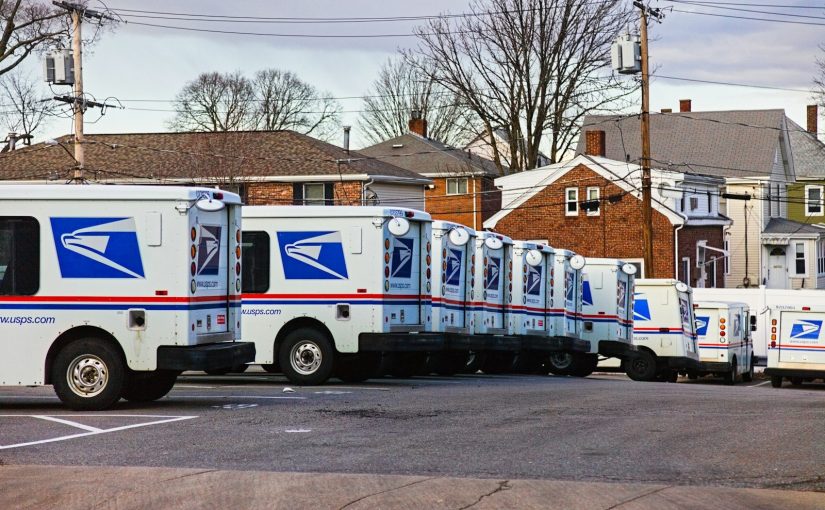
The United States Postal Service (USPS) is about to undergo major changes as it navigates its Delivering for America 10-year plan. This blueprint aims to secure the service’s financial future, upgrade technology, and reshape its workforce by 2031 and beyond. As automation becomes the norm for mail sorting and delivery, those interested in USPS jobs will need to adapt and learn new skills. The future promises steady work for adaptable employees but will challenge anyone uninterested in upskilling. If you’re curious about current opportunities, check out USPS Careers for up-to-date job listings and helpful resources.
USPS’s Bold Vision: Breaking Even and Growing Stronger
Picture the postal service not just making it through tough times but truly thriving, even as digital communication and online shopping become ever more dominant. The Delivering for America strategy is designed to reverse a potential $160 billion loss by 2030, thanks to a mix of smart cost-cutting, raising new revenue, and investing about $40 billion into new facilities and tools. USPS is already making early progress despite rising costs, showing real commitment to this ambitious recovery.
A more stable agency offers job seekers security, too. Financial health allows USPS to keep and create new jobs across its more than 2,000 different roles, including delivery drivers, processing clerks, and corporate staff. Thanks to the $40 billion investment, expect workplace upgrades – from high-tech parcel sorters to mobile scanners and electric vehicles – that will require workers who aren’t afraid of learning new technology. Rather than cutting jobs, these changes open new doors for people who pair reliability with tech know-how.
Entry Points and Everyday USPS Heroes
Right now, USPS is hiring faster than ever. For example, job fairs – like the recent one in Alabama – seek Rural Carrier Associates and Assistant Rural Carriers (ARCs), both offering $20.85 an hour. These flexible, entry-level positions suit local people ready to help their neighbors by delivering mail in all conditions, sometimes using their own vehicle. All applications happen online, and positions are posted regularly, so candidates are encouraged to apply and check often for new postings.
Away from the rural routes, there are plenty of other paths – including Mail Handler Assistants who move large volumes of mail, PSE Mail Processing Clerks who use automated sorting machines, and creative or communications jobs at USPS headquarters. Most jobs have only a few main requirements: applicants must be 18 or older, have a clean record, and be open to working on weekends or holidays. USPS stands out with competitive pay, strong federal benefits, and a proud mission to serve every address in the country.
Despite fears – often debated online – that technology will make some postal jobs obsolete, USPS benefits from its mandate to serve even the most remote communities, where private companies often can’t reach. As package volumes grow with more online shopping, these essential roles stay in demand.
A Wave of Technology: Automation, AI, and the New Workday
Looking into the years ahead, technology will reshape every part of USPS operations. The Delivering for America plan includes new investments in automated sorting, advanced IT systems, and electric delivery vehicles. Imagine mail carriers using handheld scanners that provide real-time updates to customers, or even drones helping out on rural routes – a trend already being tested in pilot programs.
Mail processing jobs will shift from physically sorting mail to monitoring automated systems and solving tech issues. By 2026, USPS is expected to work with tech partners to introduce electric vehicles and advanced tracking systems, reducing delays while lowering the carbon footprint. Many roles will require more analytical skills as automation takes over repetitive tasks and workers focus on monitoring and maintaining these advanced tools.
Some people worry that their jobs could vanish without learning new, transferable skills like customer support, logistics, or even basic software troubleshooting. USPS is addressing these challenges by offering extra training opportunities, management courses, and technical workshops so employees can confidently take on new responsibilities in a technology-driven workplace. As technology automates certain tasks, growing e-commerce means USPS will need thousands of new workers in high-tech, logistics-focused jobs.
Training for the Future: How USPS Helps Staff Grow
USPS doesn’t just hire – they help employees learn and move up. Career programs include everything from onboarding for new hires to leadership training for veterans. The recent modernization push even brings in new tools for safety and environmental learning, aiming to make each workplace as efficient and supportive as possible.
In the future, expect to see more digital training: cybersecurity for IT workers, new skills for handling electric vehicles, and data analysis for supporting operations. If upcoming reforms free up more funds, USPS could even offer tuition help or reimbursements, making it easier for staff to gain new qualifications. Success stories already show employees moving into specialized roles – like a rural carrier using software to optimize routes, or a clerk becoming a trainer. These stories demonstrate that USPS jobs aren’t dead ends – they’re bridges to new, meaningful careers.
New Careers on the Horizon: Where the Action Is
The next decade will bring new kinds of work to the USPS. Logistics experts will optimize the delivery network, combining postal reliability with the speed of private companies. Sustainability officers will oversee green initiatives, from electric trucks to environmentally-friendly packaging.
Not just frontline jobs are changing; corporate roles too are evolving. Data scientists will study mailing trends, digital marketers will engage customers through new tools, and tech support staff will help modernize everything from customer service to cloud computing. Field jobs will use new tech, like GPS-enabled vehicle routes and augmented reality for checking addresses.
There will still be challenges – USPS must keep finding good workers in rural areas and work closely with unions to handle tech transitions. But the overall forecast is for net job growth, with an emphasis on retaining workers by offering better equipment and training. USPS will also continue efforts to bring in more women and military veterans.
| Traditional vs. Future USPS Roles | Traditional (Today) | Future (2030s) |
|---|---|---|
| Mail Processing | Manual sorting, heavy lifting | AI monitoring, data analytics |
| Delivery Carrier | Walking routes, rain or shine | Mobile tech, EVs, drones |
| Rural Service | Own vehicle, heavy loads | Smart routing, predictive tech |
| Corporate | Basic communications | Digital innovation |
This preview of changing roles shows USPS isn’t getting rid of jobs – they’re simply turning them into something new and more interesting.
Facing Challenges and Positioning Yourself for Success
No plan is without obstacles. Ever-changing postal regulations, competition from UPS and FedEx, or economic slowdowns could all impact hiring and benefits. Outdoor jobs may also get harder as extreme weather becomes more common.
If you want to succeed with USPS:
- Apply at usps.com/careers and use tools like zapplicants.com for job alerts.
- Build transferable skills, such as logistics certification or basic tech knowledge.
- Take advantage of USPS’s ongoing training programs.
- Attend in-person job fairs to connect with USPS staff for inside tips.
A Future Full of Promise
The coming years for USPS will be shaped by technology, innovation, and a steady commitment to service. Whether you start as an assistant carrier or advance into management, there’s security in a USPS career for those who welcome change. As USPS invests in its people and modernizes how it works, careers will adapt to new technology without losing the dependable heart that’s served Americans for generations. If you’re motivated and ready to learn, now is the perfect time to get started.