
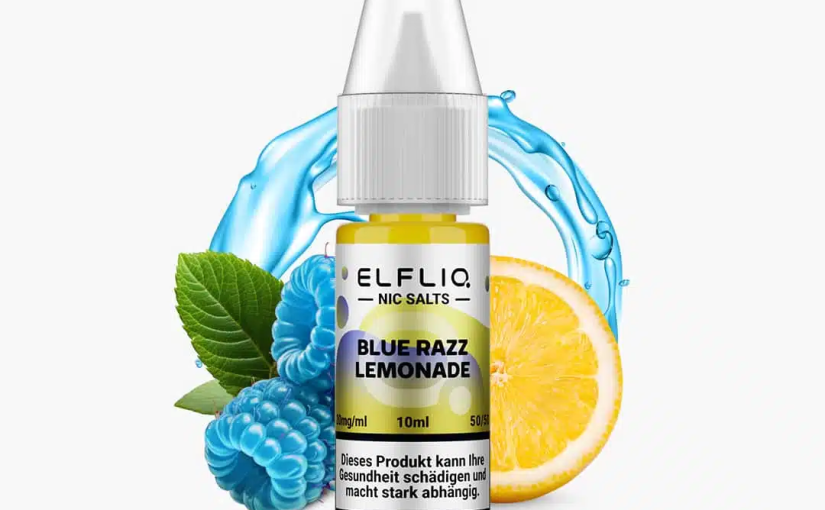
Elfliq NicSalt Liquid has quickly become a favorite among German vapers. Its appeal comes from its smooth nicotine salts and a vibrant array of flavors that cater to both seasoned and new vape users. But this surge in popularity is now drawing the attention of lawmakers, who are ramping up regulations through flavor restrictions, higher taxes, and a nationwide ban on disposable vapes. These evolving rules are likely to change how products like Elfliq Liquid are sold and enjoyed across Germany.
How Elfliq Liquid Is Taking Over German Vaping Culture
Vaping in Germany has seen a remarkable rise over recent years, with millions moving away from cigarettes and embracing e-cigarettes for harm reduction. Elfliq NicSalt Liquid is at the forefront of this movement. Known for its high-quality nicotine salt blends, Elfliq delivers a satisfying hit with less throat irritation – a feature that appeals to those who are quitting traditional smoking. The product comes in strengths up to 20mg/ml, in line with European rules, and is available in a variety of flavors, from fruity mixes to classic tobacco.
As the popularity of disposable vapes soared, regulators began voicing concerns about their increased use, especially among younger users. This pressure has forced brands including Elfliq to shift their focus from disposables to refillable e-liquids. Offering flexibility and a wide range of options, these refillable liquids are now the center stage in the German vaping market. Retailers tout Elfliq’s nicotine salt formula for its ability to deliver nicotine more efficiently, which is especially beneficial to ex-smokers seeking a cleaner switching experience.
However, this success story is now under regulatory review. The growing focus from lawmakers is tied to worries about youth uptake and the enticing nature of flavored vaping products. This has triggered a series of actions aimed at limiting the reach and influence of these popular products.
The Battle Over Flavors: New Limits on Menthol and Cooling Additives
One major move by Germany’s authorities is the push to ban menthol, sucralose, and synthetic cooling agents in all e-liquids. The draft law, likely to start in late 2026, seeks to remove any ingredients that create a cooling effect, arguing that they reduce the irritation normally felt when inhaling nicotine. Regulators believe that making vaping smoother increases the risk for younger users to get hooked.
According to the German Federal Institute for Risk Assessment, substances like menthol and other coolants make vaping more addictive by easing the experience, especially for newcomers. Even without solid proof of harm, the authorities prefer to err on the side of caution. This ban will most likely force brands like Elfliq to change or remove several popular flavors, including those with a refreshing, icy taste.
Critics of the draft law warn that it could have spillover effects, potentially affecting not just menthol blends but also many other best-selling fruit flavors that use cooling agents for their flavor profile. While the ministry suggests the changes will only slightly affect costs, industry voices worry that it could lead to product shortages and even fuel a black market, where age verification is bypassed.
The plan lines up with earlier EU action, such as the 2020 ban on menthol cigarettes, which pushed many smokers to turn to vaping instead. Now, authorities are working to ensure those loopholes are closed, even though research on these additives’ true risks is still limited.
Tax Increases: Why Vaping Is Becoming More Expensive
Taxes are the next front in Germany’s effort to control vaping. Since 2022, the government has raised excise duties on e-liquids every year, and by 2026, taxes will reach €0.32 per milliliter, among the highest in Europe. New rules demand that all e-liquid containers have a special tax stamp, and law enforcement is cracking down – there have already been significant seizures at public vape events.
For everyday users of Elfliq Liquid Vape, these tax hikes translate to higher prices at the checkout counter. Even though nicotine salt e-liquids like Elfliq are still legal under European rules as long as they stay within the 20mg/ml limit and don’t contain harmful extras like caffeine or vitamins, their rising cost may put them out of reach for some adults looking for a less dangerous alternative to smoking.
Those in favor of these taxes argue that they will help fund public health efforts and prevent underage use. Opponents claim the higher prices could push some smokers back to regular cigarettes or towards unregulated and potentially unsafe black market products.
Disposable Vapes Out, Refillable Liquids In
Another major change is in store for 2025, when Germany will implement a blanket ban on disposable e-cigarettes. These devices were a big part of the vaping boom, but concerns about waste and youth access have led lawmakers to take a tough stance. As a result, manufacturers are shifting toward open-system vapes, where refillable liquids like Elfliq NicSalt are the new standard.
This creates an opportunity for brands like Elfliq to grow, as their liquids are perfectly suited to refillable devices. These options offer more customization for the user and are generally better for the environment and the wallet in the long run. Retailers are now stocking up on high-quality NicSalt liquids, viewing them as the future of the legal vaping market in Germany. However, the approval process for these products has become more stringent, with tighter requirements for German-language labels and testing procedures.
Industry Reactions: The Debate Over Harm Reduction vs. Regulation
While Germany’s overall approach to vaping remains less severe than in some countries – flavors aren’t totally banned, and adults can legally buy vape products as long as age restrictions are met – there is growing debate about whether these rules go too far. Consumer advocates say these measures might actually do more harm than good by encouraging a rise in illegal imports and sending ex-smokers back to more dangerous products.
Manufacturers, on the other hand, are quickly adjusting. Companies that started out selling disposable products are now investing heavily in developing legal, refillable liquids. For Elfliq, the key to thriving in this environment will be flexibility – shifting focus toward non-cooling fruit blends or classic tobacco flavors that aren’t targeted by the bans.
What the Future Holds for Elfliq and German Vapers
As Germany tries to strike a balance between protecting youth and supporting harm reduction, vape companies like Elfliq must constantly adapt. Reformulating flavors, managing tax costs, and following stricter labeling laws will be essential if they want to stay compliant and available to legal-age users.
For German adults seeking alternatives to cigarettes, Elfliq still represents a top-quality, legal option, easily accessible through authorized channels. Whether these new regulations will truly protect young people while allowing smokers safer options remains to be seen, but what is clear is that adaptability will be critical for brands hoping to survive and succeed in this changing market.
In the end, the future of vaping in Germany will depend on the ability of companies like Elfliq to respond creatively to regulation, ensuring that responsible adult consumers still have access to effective harm reduction tools, even in a more tightly controlled environment.