
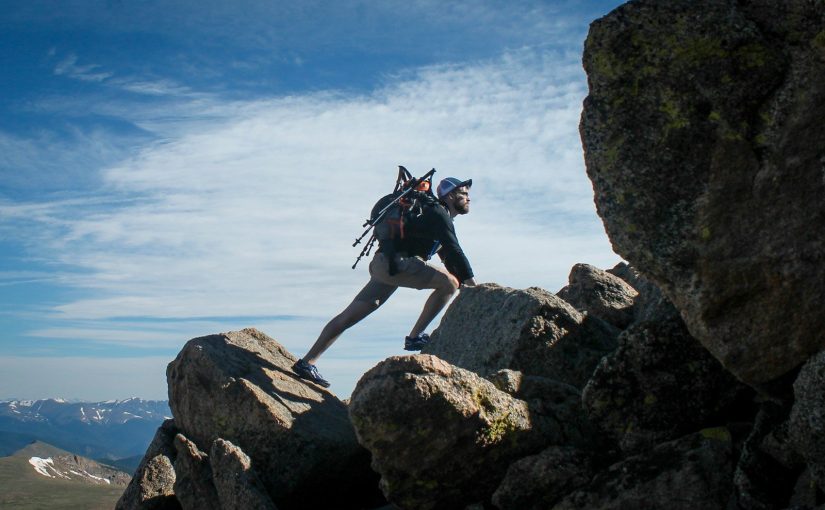
Misunderstanding what it takes to be prepared for mountaineering is common, and these misconceptions can lead to poor planning, errors in judgment, and unnecessary risks outdoors. True readiness goes beyond just being “in shape” or feeling sure of yourself at the trailhead. In reality, the best approach is to treat preparedness as a mix of endurance, strength for climbing, managing a heavy pack, bouncing back after tough effort, finding your way, and making good decisions under pressure. These are the essentials taught by current training programs and trusted outdoor education resources.
It’s easy to believe you’re ready just because you hit the gym or run regularly. But just being fit isn’t enough for mountain terrain. For a realistic sense of your own skills, check out the mountaineering readiness calculator to see how your specific abilities match up with your goals.
1) Myth: “If I’m fit, I’m ready for mountaineering.”
General fitness provides a helpful base, but it’s a long stretch from being fit enough for the mountains. Climbing big hills, carrying a heavy pack for hours, handling steep downhills, and being able to recover for the next day are unique demands. Many people who run or hit the weights still struggle when they have to move uphill for hours on end, especially if they aren’t used to the real-world challenges you face above the tree line.
2) Myth: “Summit day is the only part that really counts.”
Most people focus all their training and nerves on the single day they hope to reach the top, but the data flips this idea upside down. Many trips fall apart because participants underestimate the difficulty of the approach, the days before the summit, and the need for consistent stamina – rather than just a strong push for the finish. Effective training is about having the stamina for the entire trip, not just one big moment. The real test is how you manage multiple tough days in a row – not just the glory shot on the summit.
3) Myth: “Experience alone will keep me safe.”
There’s no doubt that experience matters in the mountains, but having more days out doesn’t always mean fewer risks. A large study found that even those with extensive Himalayan backgrounds didn’t have better survival rates when other factors were considered. Experience might help you make smarter choices, but it can’t replace careful planning, assessing weather, selecting a safe route, or sound team judgment.
4) Myth: “A commercial guided trip is always safer.”
Booking a spot with a guided team might feel like a guarantee, but research shows this isn’t always the case. While commercial trips may offer some benefits, the difference in safety isn’t clear-cut when you look at the numbers. What truly matters are the details: the nature of the climb, team skill, route conditions, and the competence of leaders. Management and preparedness count more than whether you signed up with an outfitter.
5) Myth: “Only the weak get altitude sickness.”
Illness related to high elevation is complex, and it doesn’t just target those who are less fit. Risk is shaped by how fast you ascend, your body’s individual response, and how well you adjust, rather than your speed or strength at sea level. Even professional athletes can get acute mountain sickness if they climb too quickly or fail to acclimatize. Handling altitude is its own area of readiness – being strong won’t protect you from the need to go slow and plan smart.
6) Myth: “Most hikers and climbers show up well prepared.”
It might be surprising, but studies show most hikers and runners aren’t as ready as they think. For example, one survey revealed only about 16% of day hikers and just one-quarter of trail runners actually met simple wilderness preparedness standards. In the White Mountains, less than one in five hikers brought all ten essential items for safety, and the majority carried even less. This proves that what people believe about their readiness and the reality often don’t line up.
7) Myth: “You don’t need the Ten Essentials for a short hike.”
It’s tempting to leave critical gear at home for “quick” trips, but even casual outings can turn challenging. Research regularly finds that many hikers fall short – failing to carry water, navigation tools, emergency supplies, or basic first aid, no matter how short the planned outing. Most incidents start as minor problems: a missed turn, a broken headlamp, blisters, or running out of water. Even a small misjudgment on a short walk can lead to big trouble if you’re not truly ready.
8) Myth: “A tough gym session means I’m mountain-ready.”
Training in a controlled, indoor environment is not the same as hiking or climbing mountains. Mountaineering readiness is about the ability to sustain steady movement, hour after hour, often under the weight of your real pack, and usually in unpredictable conditions. The best way to assess your progress is to test how you perform in similar terrain and with similar gear as your target outing. Can you handle the same vertical gain? Can you carry your actual pack all day and feel recovered by the next morning? If not, there’s still work to do.
9) Myth: “Mental toughness is about never giving up.”
Mental resilience is vital, but real strength in the mountains means being able to weigh risks, make wise calls, and sometimes decide to turn back instead of pushing ahead blindly. Studies show that how you perceive risks, learn from experience, and lean on your team all affect your choices in the outdoors. Mental readiness is about self-awareness and flexibility – not just bravado or stubbornness.
10) Myth: “You can sum up readiness with one score.”
There’s no magic number or single metric that says you’re ready for mountaineering. Instead, it’s a balanced mix of factors, including sustained uphill ability, strength for descents, pack tolerance, efficient pacing, and being able to repeat this day after day. Good training programs use practical, climb-specific benchmarks: for example, comfortably completing a long hike with the real load you’ll take to the summit, not just reaching a generic fitness score.
What Does True Readiness Actually Look Like?
Across all the latest research, one pattern stands out: true mountain preparedness is specific and hands-on. It’s not just about feeling fit – it’s about knowing you can meet the exact demands of your chosen climb. A solid readiness checklist includes the ability to hike uphill for long stretches, carrying your full pack, feeling confident on descents even when tired, knowing how to use your navigation and emergency tools, planning your pace for safe acclimatization, and staying humble enough to turn back if the mountain – or your body – requires it.
Why This Matters for Today’s Climbers
Mountaineering circles sometimes praise charisma or self-assurance, but time and again, data shows that careful, objective preparation is what prevents accidents and disappointment. It’s all too easy to overrate your gear, pace, or skills if you only rely on gut feeling. This is why mountain education platforms, like Train to Mountain, focus on matching your training to your specific route, not just building up bravado. The smartest move is to measure what really matters for your climb and to avoid letting confidence get ahead of your actual preparation.
The best outcomes come from honest self-assessment, thoughtful training, and a readiness plan that fits your mountain – not just the idea of adventure. Remember, your safety and success are built on preparation as much as passion.