
Coach house construction in Ottawa has become a practical and popular way for homeowners to add living space and flexibility without buying a bigger home or moving out of their current neighbourhood. People throughout Ottawa are turning their backyards into valuable assets, turning spare outdoor space into secondary living units that serve a range of family, financial, and lifestyle needs. In this guide, you’ll find out what a coach house really is, the city’s key regulations, what it takes to build one, and how to decide if this solution fits your property and budget.
Unlocking Hidden Value: What is a Coach House?
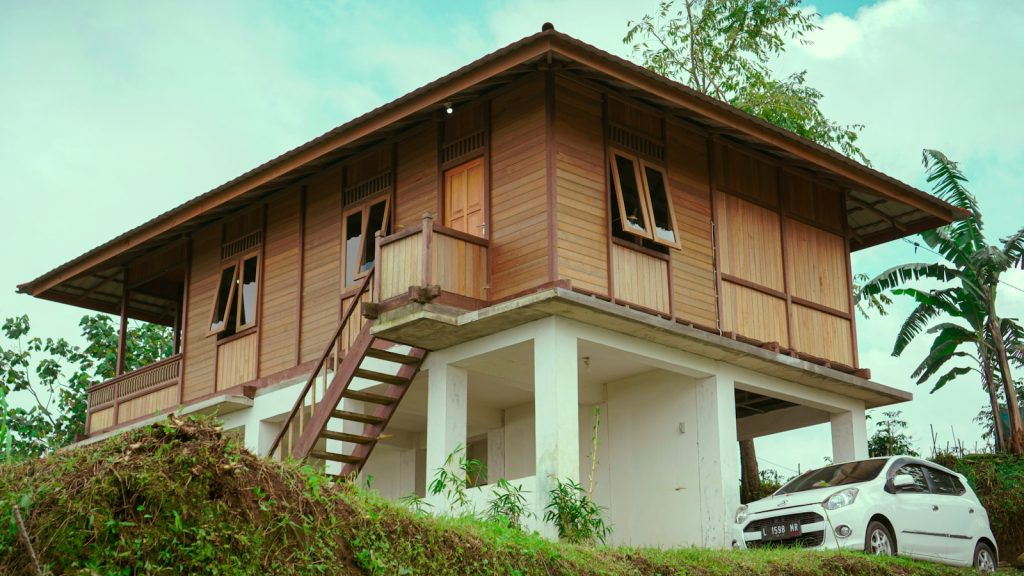
In Ottawa, a coach house refers to a small, separate living space you can build in your backyard. Unlike finishing a basement or converting a spare room, a coach house is a full living unit with its own entrance, kitchen, bathroom, and sleeping space. Since Ottawa updated its rules in 2017, coach houses are a big part of the city’s efforts to add housing gently; that means adding more residents without greatly changing the look or feel of existing communities.
From building a home for parents or adult children to creating a rental suite or a dedicated home studio, homeowners have found many reasons to build coach houses. Builders in Ottawa now offer turn-key coach house packages, covering design, permits, and construction—showing it’s possible to add real, lasting value to your property.
Understanding “Coach House Construction” in the Ottawa Context
What Does Ottawa Law Say?
If you’re starting to look into “coach house construction Ottawa,” you’ll quickly see three main topics come up: the type of units you can build, what zoning rules you must follow, and around how long and expensive the process will be. Ottawa classifies coach houses as “additional dwelling units” (sometimes called ADUs) and outlines their requirements in city bylaws.
Here are some basics:
- Only one coach house is allowed for each main dwelling. If you already have a secondary suite or another extra unit, you usually can’t add a coach house as well.
- In urban settings, your coach house usually needs to be in the backyard and appropriately smaller than your house, both in size and height.
- There will be a maximum total of housing units per lot—usually three in total, but always double-check the rules for your property.
This means the process involves some complexity. Even small planning mistakes can slow down or block permit approval, making it smart to work with an experienced builder or designer.
Rules About Size, Height, and Utilities
Ottawa’s regulations are clear about how large and tall your coach house can be:
- Maximum size is usually no more than forty percent of your main home’s footprint or backyard, with a strict upper limit (about eighty square meters in urban areas and ninety-five in rural places).
- In most of the city, you’re limited in height to just under four meters, unless you’re building on or above a garage, where a higher limit might apply.
- Urban coach houses usually tap into your main house’s water and sewer, while rural ones often need to link to, or sometimes upgrade, well and septic systems.
While you’re not required to provide a separate parking spot for your coach house, you can if you have space on your existing driveway.
Ottawa’s Coach House Trend: Why So Many Homeowners are Building
What’s Driving the Popularity?
Several reasons explain why coach houses are taking off across the city:
- House prices are climbing, making extra rental income or a way to help adult kids or parents live nearby yet independently very attractive.
- Many families want to stay together across the generations, and a coach house provides privacy but proximity.
- The unit can easily go from a short-term rental or student accommodation to a permanent suite for an aging parent or even become a home office or art studio.
Specialist building companies in Ottawa have shown just how many variations are possible—whether you want a compact guest cottage, a fully separate rental suite, or a large home for extended family.
Coach House Versus Garden Suite
A common question asked by homeowners is about the difference between a coach house and a garden suite. In Ottawa, coach houses are considered permanent, long-term secondary dwellings built as separate structures. They’re part of your property’s legal status and real estate value. Garden suites, by contrast, are seen as temporary accommodations—often allowed for a set number of years and then must be taken down.
Because coach houses are meant to be permanent and provide better value over time, the planning rules and construction process are a bit more detailed and demanding.
Do You Need an Architect?
You can’t build a coach house without official construction plans. Even small coach houses need drawings that follow city zoning and technical building standards. Most coach house builders either offer design services in-house or work closely with local architects and structural engineers who know Ottawa requirements. These permit-ready blueprints are needed not only for the city’s review but for construction as well, ensuring your build runs smoothly.
How Long Does a Coach House Take to Build?
Expect your coach house project to last anywhere from five to seven months once the city approves your permits. Timelines vary based on weather, the level of customization, and finishing details. Reputable local builders use special equipment to handle foundation work even in cold weather, so you don’t have to pause for winter.
Coach House Challenges and Rewards
Common Hurdles
Building a coach house, while rewarding, does come with a few challenges:
- Zoning and layout issues—some backyards don’t have the space, and taking into account corner-lots or protected properties can make things more complex.
- Connecting or upgrading water, sewer, or septic systems can take extra time and add to your costs.
- Initially, it’s a real investment—a custom-built coach house is closer in budget to an actual small house than a garden shed.
Also, don’t underestimate “soft costs:” things like surveyors, design, engineering checks, and permit fees can add up quickly if unplanned.
Big Opportunities
Still, the benefits can outweigh the obstacles:
- Provincial and city policies actively support these additional units as a step toward solving the housing crunch.
- A well-built coach house generally increases your property’s value, helps attract more buyers if you ever sell, and can provide steady rental income.
- Most importantly, it makes your property adaptable—ready for family, guests, or lifestyle changes as needs shift over the years.
Ottawa builders keep pace with changing regulations and deliver hassle-free services covering everything from zoning analysis to year-round construction.
Step-by-Step: How to Build a Coach House in Ottawa
1. Check if Your Property Qualifies
Start by looking up your property rules:
- Make sure you don’t already have the maximum allowed dwelling units.
- Measure your lot and main home footprint to see what size of coach house you can have.
- Review regulations on how far your coach house must be from property lines and any heritage restrictions that might apply.
Some local builders can assess your property and help with these early checks.
2. Find the Right Team
Pick professionals experienced in Ottawa’s coach house requirements:
- Designers or architects ensure the unit fits zoning and design rules.
- Engineers handle things like structure, air flow, or septic systems.
- An established builder familiar with coach houses can manage permits and project steps.
Some companies combine all these services so you can deal with a single team from start to finish.
3. Get the Proper Permits
You’ll need to apply for a building permit, which includes attaching detailed drawings and proving that your plans meet local and provincial rules. Projects may require city approval for things like accessory dwelling, setbacks, and, where needed, new service connections.
The right contractor can manage all the paperwork and inspections for you.
4. Make It Flexible and Efficient
Incorporate features that ensure your coach house remains useful for many years:
- Step-free entrances and bathrooms for anyone with mobility issues.
- Good insulation and energy-saving appliances to cut heating bills.
- Smart layouts and lots of built-in storage to suit future tenants or changing family needs.
Leading coach house builders offer smart, standard layouts with room to personalize—and make sure your new unit suits both your budget and your life.
The Future of Coach Houses in Ottawa
As Ottawa continues looking for ways to add homes without building high-rises everywhere, coach houses will become an even bigger part of city housing plans. For homeowners, working with reputable, specialised builders takes away guesswork, letting you add real value for both today and the future.
If you’re thinking about building a coach house, start by consulting an Ottawa-based expert to assess your lot and guide you from idea to occupancy. That way, you can fully enjoy all the advantages backyard living has to offer—while meeting city requirements every step of the way.