
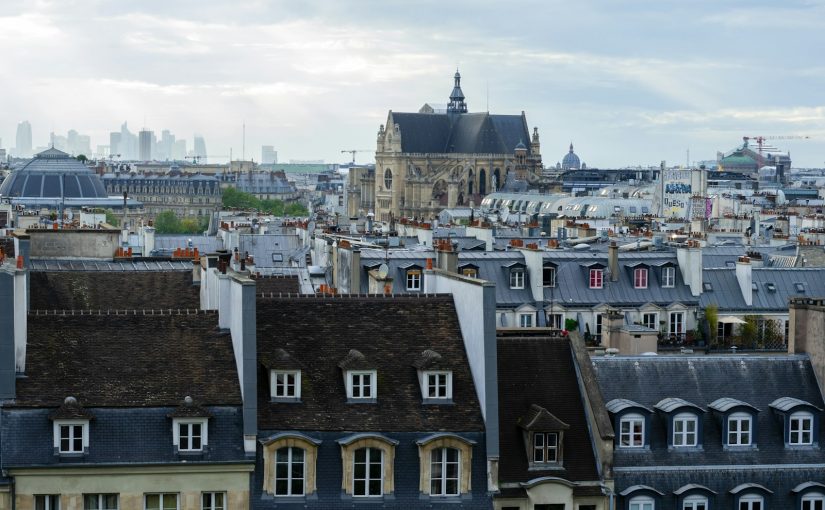
Terracotta tiles and slate are two of the most popular materials for roofing in the Paris region. Choosing between them comes down to things like your budget, the design you want, how long you expect the roof to last, and even how strong your current roof structure is. Each material brings its own advantages, so the best choice can depend on your home’s needs and your long-term goals.
What Makes Roofing in Paris Special?
The Paris region, also called Île-de-France, has a weather profile that brings plenty of rain, short spells of snow, humid summers, and winds that can be quite strong from time to time. Roofing here needs to handle being wet, regular changes in temperature, and the wear and tear of freezing and thawing during winter. On top of that, roofs in this area often show off regional styles, from classic flat terracotta tiles to darker, stylish slates, especially on older buildings. Checking with a reputable roofer in your area can help narrow down the choice, as a professional will look at the slope and strength of your roof before recommending the best material for your situation.
Terracotta Tiles: A Classic Touch for French Homes
Terracotta tiles have been making French roofs look welcoming for centuries. Made from fired clay, these tiles provide that distinguishable reddish color, though you can find them in various shades. Terracotta is loved by homeowners for its cozy, traditional look that fits perfectly on both vintage and modern homes.
These tiles are thick and strong when made well. With careful installation and a bit of maintenance, terracotta roofs can last 50 to 75 years, sometimes even longer. One of their big practical advantages is energy efficiency: terracotta helps keep your home cooler in summer and warmer in winter because it doesn’t transfer heat quickly. The coloring is also natural and tends to stay true over decades.
Budget-wise, terracotta stands out as the more affordable option. It typically costs around two-thirds as much as slate, both for buying the tiles and having them installed. This makes it ideal for anyone who wants an elegant look without a huge upfront expense.
Of course, there are a few trade-offs. Terracotta isn’t quite as tough as slate and can be broken more easily by hail or if someone steps on the tiles incorrectly. These tiles are also heavy, so your house needs strong support beams. Over time, a few tiles might need replacement and, in shady corners, you might need to brush off moss or lichen that starts growing.
For homeowners who want an inviting and authentic French aesthetic without going over-budget, terracotta is a solid, time-proven choice, especially when the work is handled by an experienced local installer.
Slate: For Longevity, Style, and Heritage
Slate tiles are sliced out of natural stone and have durable qualities that make them ideal for demanding Parisian weather. Their color—usually dark grey– brings sophistication to any home, and they last an impressively long time.
One of slate’s biggest advantages is that a good roof made from quality slate can last well over a century. Slate holds up excellently against rain, icy conditions, and even strong sunlight, keeping its appearance and functionality for generations. It doesn’t burn and is not affected by bugs, reducing worries about both fire risk and insect damage. And it’s this sleek, rich look that’s a major reason slate is especially favored on historic or high-end parcel roofs.
There are some important factors to look at before choosing slate. Slate roofs have a higher price to match their value. The material itself is expensive, and professional installation can stretch your budget even further, often coming to about double the cost of a terracotta roof. Just like terracotta, slate is heavy, and your roof may need extra strengthening before you can install these tiles. Putting up slate isn’t a job for a beginner—only experienced professionals should handle it to get the best results and avoid future problems.
If you cherish style, are thinking far ahead, and want a roof that will outlast most others, slate is the smart pick. For older or character-packed properties in Paris, slate can even become part of your home’s timeless appeal.
Comparing Terracotta and Slate Side by Side
Let’s break down these two roofing solutions for homeowners in the Paris region:
| Feature | Terracotta Tiles | Slate |
|---|---|---|
| Lifespan | 50-75 years | 100-150 years or more |
| Upfront Cost | Lower | Higher; considered premium |
| Installation Cost | Standard | About double terracotta |
| Weight | Heavy | Often just as heavy or more |
| Climate Suitability | Handles rain and temperature swings well | Extremely resilient, even with frost and lots of rain |
| Energy Performance | Good insulation, keeps temps even | Strong thermal properties |
| Resistance to Impact | Can crack if hit or stepped on hard | Generally tougher, but still needs care |
| Style | Warm, earthy, traditionally French | Elegant, modern or historic style |
| Maintenance | Occasional repairs and moss cleaning | Very low, mostly checking for slate or flashing issues |
| Best For | Traditional looks, balanced cost | Long-term thinking, heritage homes |
How to Pick the Best Roof for Your Paris Home
When choosing between terracotta and slate for your Paris area house, think about more than just cost or looks.
Consider Your Budget and Plans
If you want to keep upfront spending reasonable but still want high performance, terracotta usually works best. If your plan covers decades or you’re making an investment for the next generation, slate’s longevity can justify a higher upfront expense.
Building Structure and Planning Rules
Both options are heavy, so make sure your home is built to handle either. Sometimes, historical neighborhood rules will say what you can—and can’t—install. Traditional French tiles or specific slates might be required to maintain the community’s look.
Your Home’s Appearance
Terracotta is perfect for a warm, welcoming French atmosphere, especially on traditional homes. Slate creates a polish and style that shines on historic or high-value townhouses.
Dealing With Maintenance
For the most part, terracotta roofs need occasional repairs or cleanings, especially for moss. Slate roofs demand less maintenance overall, mainly occasional inspections or small fixes after storms.
Given that Paris homes vary so much in size, age, and construction, the smartest first step is to get a professional evaluation on-site. An expert like couvreur 93 can let you know what your house can support, offer detailed pricing, and show examples of both tile types on comparable homes in your area.
By weighing what works for you today and for years to come, you can pick a roof that looks great, protects your home, and stands up to the Paris region’s tricky weather — all while fitting your taste and budget.