
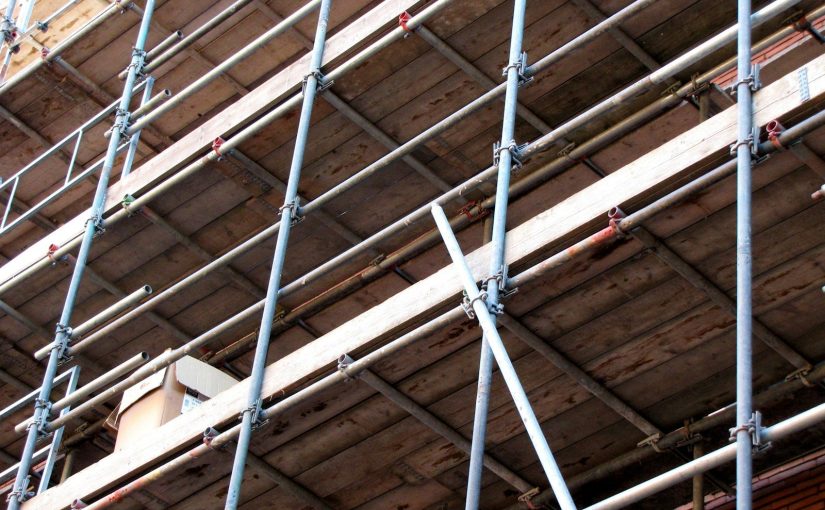
Swiss cities such as Zurich, Bern, and Geneva are leading examples of urban renewal, where facade scaffolding is more than just equipment – it’s a core part of sustainable renovations that maintain historic charm while embracing green technology. In the coming decade, we’re likely to see a major increase in facade upgrades throughout Switzerland, driven by energy targets, environmental policies, and smarter construction methods. These changes could help reduce urban carbon emissions by up to 30% in cities actively pursuing these goals.
Facade Renovation Is Booming Across Switzerland
A look at Swiss building statistics reveals that nearly half of all structures built before 1975 have received renovations or repaints within the last 15 years, and the focus has recently shifted toward deep modernizations to save energy. Just last year, investment in renovation projects jumped by over 4%, encouraged by government grants and Switzerland’s strong push for net-zero emissions in buildings.
Cities with historic centers like Bern face additional challenges. In places with small streets, uneven ground, and protected buildings, contractors need flexible solutions. Specialized companies step in to provide tailored Fassadengerüst für Sanierung und Neubau, offering systems that fit narrow alleys and sensitive restoration sites. These modular scaffolds are quick to install, safe, and designed to protect heritage sites with lightweight materials.
The rise of digital design is also transforming the industry. Thanks to software, lighter and more adaptable scaffolding can now be produced, which means projects can be completed up to 30% faster and use recyclable materials such as aluminum-steel mixes that work well with Swiss weather.
Why is this happening now? Renovation has become more attractive because of the country’s Minergie standards and various local subsidies. This not only increases property values but also creates jobs. Zurich and Basel, for example, are seeing older facades upgraded with high-quality insulation and solar panels that blend in without disrupting the original look, which leads to substantial energy savings.
Green Technology Is Reshaping Facade Construction
Sustainability is guiding all major changes in the construction sector, especially in facade works. Modern facade scaffolding is no longer just about access – it’s about supporting energy-saving upgrades and eco-friendly features. One innovation is modular green wall panels, made through collaborations between Sika and the Zurich University of Applied Sciences, with support from Innosuisse. These ready-made panels cover building exteriors with plants, improving air quality, reducing heat, and adding biodiversity to city streets – all installed with adaptable scaffolding systems.
Pilot projects in Geneva and Lausanne have shown that such green walls can cool city streets by two to five degrees during hot spells, an important benefit as Swiss cities face rising temperatures. Scaffolding makes these installations possible, allowing workers to carefully fit each section while using smart sensors to keep everything safe and steady, even in difficult weather.
Research from ETH Zurich shows that construction materials are not evenly distributed across Switzerland, with more concrete in the west, stone in the center, and wood in the east. This helps target facade upgrades according to each region’s needs. Artificial intelligence tools can now estimate the carbon reductions possible by switching out older materials during renovation. Some student proposals suggest skipping exterior facades in storage areas, using open-air designs supported by modular scaffolding to lower the carbon footprint even further.
| Innovation | Benefit | Example |
|---|---|---|
| Green Wall Modules | Cooling, biodiversity | Sika-ZHAW trials in Zurich |
| IoT-Enabled Scaffolds | Real-time safety/installation | Basel industrial retrofits |
| Recyclable Modular Systems | Waste reduction up to 40% | Gerüstbau Schweiz facade projects |
| AI Material Mapping | Improved energy modeling | Nationwide ETH Zurich data |
These technologies are becoming mainstream. By 2030, forecasts show that most facades in Switzerland may include at least one sustainable upgrade, supported by EU-aligned regulations and public support.
Renovation in Historic City Centers: Balancing Progress and Preservation
Historic city centers such as Bern’s old town or Zurich’s oldest districts present extra challenges for scaffolding. Narrow walkways leave little room for large cranes, and strict heritage rules mean every change must be easily reversed. That hasn’t stopped progress: for example, in Flamatt, KUGE BAU AG used scaffolding specially designed for difficult terrain to carefully restore historically significant sites.
Some companies are experts at preserving original architecture while moving forward with upgrades. Discreet insulation, solar panels that hide behind old walls, and reversible installations help historic buildings halve their energy costs and qualify for renovation grants. Scaffolding solutions have also become more advanced: they’re stronger for industrial areas, can curve for awkward buildings, and adjust weight to suit the job.
People support these projects more than ever. Upgraded city centers attract more visitors, bring new investment, and give local communities a boost – Geneva’s mix of restored areas with improved energy use is a case in point. Cost remains a challenge. Custom scaffolding systems are more expensive at first – sometimes up to 50% more – but the long-term savings quickly outweigh these up-front costs.
The Future: Modular and Digital Scaffolding in Swiss Cities
As we look forward, facade scaffolding will continue to get smarter and more efficient. Prefabricated components can now be set up in just days instead of weeks, which helps reduce construction noise, air pollution, and traffic delays. Tools like drones and augmented reality apps mean scaffolding setups can be accurately previewed and planned before assembly, preventing mistakes down the line.
Lessons from large industrial projects are also shaping city construction. Durable, weather-resistant materials and advanced sensors keep workers safe, even on the tallest buildings. As Switzerland invests more in infrastructure – from solar sites to pharmaceutical plants – demand for new scaffolding options is set to grow rapidly.
Meanwhile, ideas from the circular economy are catching on. When buildings are taken down, the scaffolding used can help recover materials for recycling, reducing waste and saving resources. In Zurich, almost three-quarters of steel from scaffolding is reused in new construction.
What’s Next for Swiss Urban Facades?
By 2035, sustainability and facade scaffolding will go hand in hand in shaping Swiss cities. It’s expected that four out of five buildings built before 1980 will have been retrofitted, and facades will do much more than just protect – many will generate their own power, filter the surrounding air, or even clean themselves using the latest technology.
Zurich might become known for its vertical forests made possible by green modules installed on scaffoldings, keeping neighborhoods cool as temperatures rise. Bern’s old town could see scaffolding systems that preserve its historic look while improving insulation and energy use. In Geneva, AI-optimized renovations are turning older concrete buildings into modern, low-carbon spaces.
These trends have real economic impacts too. In the coming decade, tens of thousands of jobs in scaffolding and renovation may be added, while tourism could jump in areas that have been revitalized by green upgrades. Some obstacles – like shortages of skilled workers or occasional supply problems – are likely to remain, but new technology such as automated scaffolding robots should help close those gaps.
Swiss cities are showing what is possible when facade scaffolding is used not just as a support, but as a catalyst for greener, smarter, and more vibrant communities. As practical companies and inventive researchers drive change, the facades of the future will be more resilient, more beautiful, and more connected to both people and the planet.