
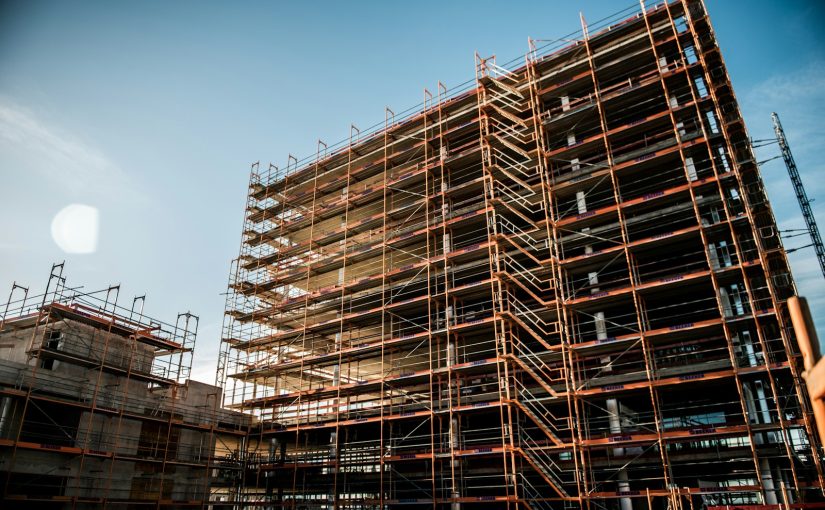
Have you ever looked up at a towering building site, a stadium, or a complex industrial plant and wondered who makes it possible to work safely at those dizzying heights? Behind nearly every ambitious project, there’s a crucial expert that rarely gets the spotlight: the Stahlgerüstbauer, or steel scaffolding specialist. This job blends aspects of engineering, logistics, and safety know-how, making it more important than ever in modern, fast-moving construction. Let’s take a look at what a Stahlgerüstbauer does, how the profession has changed, the main trends affecting it, and advice for both clients and those interested in this trade.
Understanding the Stahlgerüstbauer
Simply put, a Stahlgerüstbauer is a trained expert who designs, builds, and takes down steel scaffolding and other temporary structures. They create safe access to hard-to-reach places—like tall buildings, bridges, industrial plants, or event locations—making sure that workers and equipment can safely operate at great heights or in tricky spots. Unlike regular scaffolders who may use lightweight materials or work on smaller jobs, Stahlgerüstbauer focus on solid steel systems that can handle heavy loads and complex shapes, often over long periods or across large, technically difficult projects.
The term comes from the German “Stahl” for steel and “Gerüstbauer” for scaffolder, and is an officially recognised trade in German-speaking countries. In places like Switzerland and Austria, you might see similar titles like “Gerüster” or “Gerüstmonteur.” But when steel is involved, the job becomes more specialised, requiring deeper know-how.
How the Job Has Changed
Scaffolding in various forms has been part of building projects for centuries. However, the Stahlgerüstbauer’s work really changed with the arrival of industrialisation, bigger buildings, and more complex structures. While older scaffolds relied mostly on wood or simple tubes, today’s workers use pre-designed steel systems allowing much larger, safer, and more durable solutions.
Companies like KUGE Bau AG near Bern show how far this craft has come. They have brought together hands-on skills and modern tools like 3D planning models, computer-based structural analysis, and digital scheduling software to fit steel scaffolding exactly to each unique project. Today’s scaffolds have to meet tight safety standards, including wind resistance and precise load calculations—enforced by agencies like SUVA (Swiss Accident Insurance)—making the role even more technical.
Day-to-Day Duties of a Stahlgerüstbauer
The daily job goes well beyond putting together a few steel tubes. A Stahlgerüstbauer’s main duties include:
- Assessing the shape, size, and needs of each construction, renovation, or industrial project
- Planning detailed layouts for scaffolding using 3D software or custom drawings, especially for complex jobs
- Building and securing platforms, stair towers, or protective covers according to safety demands
- Setting up lifts, hoists, or weather covers to help with logistics and protection
- Taking down the structure and moving materials off-site safely and efficiently
For specialist providers, such as KUGE Bau AG, no two scaffolds are ever exactly alike—every job is planned down to the last detail. In busy regions like Bern and Fribourg, scaffolding teams can mobilise within 48 hours, highlighting just how important quick response has become.
Industries and Projects That Rely on Stahlgerüstbauer
The need for expert steel scaffolders comes from many directions:
- Factories and industrial plants: Places like power stations, assembly lines, and silos need sturdy, top-quality scaffolds that won’t interrupt operations.
- Building sites and renovations: Roof repairs, solar panel installs, façade cleaning, and structural upgrades all depend on scaffolding that keeps workers safe far above the ground.
- Bridges and infrastructure repairs: Maintenance or inspection often requires specially designed, suspended structures over water or traffic.
- Events and culture: Big concerts, festivals, stadium events, or art installations commonly need temporary steel platforms and stands that are strong but not obtrusive.
Leading specialists can offer everything from custom event platforms to complex industrial scaffolds, proving just how versatile the work of a Stahlgerüstbauer has become.
Safety, Training, and Essential Skills
The heart of this job lies in safety. Steel scaffolds have to safely hold up not just standing structures, but also the constant movement of workers, machinery, and materials. Strict national and insurance standards regulate aspects such as load-bearing strength, installation methods, fall protection, and safety rails.
To thrive in this trade, a Stahlgerüstbauer needs:
- Strong physical condition and no fear of heights—most work is outdoors and involves climbing
- Foundations in engineering—understanding loads, forces, and materials is critical (often learned through a multi-year apprenticeship)
- Unwavering attention to safety details, since errors could endanger entire construction teams
- The ability to read plans, visualise spaces, and use new digital planning tools
Comparing Stahlgerüstbauer and General Scaffolders
While both roles handle scaffolding, key differences stand out:
| Role | General Scaffolder | Stahlgerüstbauer (Steel Specialist) |
|---|---|---|
| Materials Used | Mix of steel, aluminum, and rarely wood | Primarily advanced steel systems |
| Usual Projects | Houses, small buildings, basic jobs | Factories, bridges, large events, special builds |
| Project Difficulty | Standard layouts and heights | Heavy loads, unusual shapes, technical complexity |
| Planning Level | Standard plans and quick setups | In-depth designs, engineered structures |
| Client Needs | Practical access, basic timing | Fast, tailored service for challenging projects |
Many top companies now clearly offer both basic scaffolders and Stahlgerüstbauer as separate services, especially for big or complicated jobs.
Challenges for Today’s Steel Scaffolders
Despite growing demand, several big challenges face this profession:
- Shortage of trained workers: As projects become more complex, having enough skilled steel scaffolders is a real concern, since the job is tough and requires serious training.
- Difficult working conditions: Bad weather, heights, and the use of heavy steel make the job physically intense, with safety always needing to be front-of-mind.
- Pressure to deliver quickly: Clients expect their projects finished fast. This puts constant planning, coordination, and efficiency pressure on scaffolding firms.
Leaders in the field keep equipment and staff on standby and have teams ready to deploy rapidly to reduce costly downtime.
Opportunities and the Future
There are exciting trends and opportunities emerging in this field:
- Demand for renovation and energy efficiency upgrades: The popularity of projects like façade repairs and adding solar panels continues to fuel long-lasting demand for steel scaffolding.
- Increasing digitalisation: Scaffolding plans are now often designed digitally, using 3D models, laser measurements, and real-time planning tools, making work faster and safer.
- Unique special projects: As towns invest in new events and architecture, more creative and complex temporary structures are needed than ever before.
Companies who balance technical excellence, fast service, and honest prices are likely to perform well into the future.
Hiring the Right Stahlgerüstbauer
If you need steel scaffolding for your next build, renovation, or event, keep these points in mind:
- Make sure the company focuses on demanding steel scaffolds, not just basic setups
- Ask if advanced planning tools like 3D simulations and structural analysis are part of their process
- Insist on clear safety proof—such as SUVA or similar—before any work starts
- For urgent jobs, pick a provider who can be on site quickly and openly shares costs, schedules, and technical details
In the Bern region, specialised teams like those at KUGE Bau AG offer fast, reliable industrial scaffolding for all types of unique steel projects.
Building a Career as a Stahlgerüstbauer
For those considering this career, it can be both personally and financially rewarding. Here’s how to get started:
- Finish an official scaffolder’s apprenticeship—it usually takes three years and covers scaffolding systems, structural basics, and practical work
- Get comfortable with working at heights and with safety gear
- Look for experience on challenging projects to move toward complex steel work
- Think about advanced qualifications or special training in structural planning, to open doors to supervisor or independent roles
For people who love hands-on construction work and technical problem solving, this trade offers a great mix of security, pride, and fresh challenges.
Why the Stahlgerüstbauer Matters
Modern life depends more than ever on sturdy, safe scaffolding—whether for tall buildings, vital repairs, or one-of-a-kind events. The Stahlgerüstbauer stands at this intersection of safety, engineering, and speed, making their skills critically important for successful modern construction. Whether you’re a builder, a client, or someone interested in this path, the work of the Stahlgerüstbauer is the hidden strength holding together some of the most ambitious projects in our cities.