
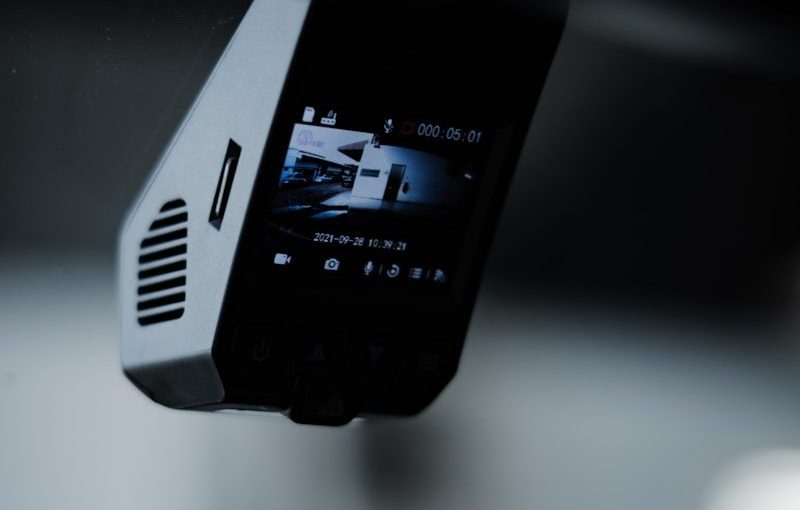
In Saudi Arabia, dash cams have become an essential accessory for today’s drivers. Their popularity is rising rapidly, serving as trusty recorders in the case of traffic accidents, reckless driving, or insurance disputes. There are no significant privacy limitations for dash cams on public roads, which makes them even more appealing to those wanting peace of mind behind the wheel. In this guide, you’ll discover the main regulations, privacy considerations, and practical advice for using a dash cam so you can confidently navigate the rules and get the most out of your device.
Why More Drivers in Saudi Arabia Are Installing Dash Cams
Recently, dash cam use has skyrocketed across the Kingdom. Rising concern over traffic offenses and the growing awareness of road safety play big roles, while the historic change allowing women to drive has further contributed to the spike in demand. Consumer electronics stores and online platforms can hardly keep up with the boost in sales, and it’s not just private motorists driving this trend. Well-known automotive voices like Majed Al-Shikhi believe that, soon enough, dash cams will be as standard as seat belts, acting as a silent eyewitness for every journey.
Social media is full of dash cam footage showing drivers swerving between lanes or ignoring traffic rules. These videos, often spread with hashtags identifying dash cam captures, draw huge attention – and frequently end up assisting authorities or insurance firms. Traffic officers and insurance company Najm regularly use footage from these devices to settle disputes and clarify situations where responsibility is unclear. Sellers report a steady climb in purchases as people look for added security against theft, wrongful accusations, and unfair blame.
Some consumers even urge for mandatory dash cam policies. One reader, writing to a local newspaper, argued that cameras could help police identify traffic offenders more efficiently – and suggested that people should be able to upload footage directly to traffic authorities. Although dash cams aren’t compulsory at this time, there are rumors about a possible 2026 mandate that could apply to certain types of vehicles. For now, the exact details haven’t been formally confirmed.
Dash Cam Legality in Saudi Arabia: The Current Situation
Saudi Arabia’s traffic law allows dash cams with virtually no legal hurdles. According to legal experts, dash cam footage is accepted as evidence during disputes and insurance claims, as long as the recordings are clear and taken on public roads. There aren’t specific rules that restrict their use, and dash cams are viewed in a similar light to other official road cameras, like the Saher speed cam network.
Legal points to keep in mind include:
- The camera should be attached to your windshield or dashboard in a way that does not impair your visibility. Incorrect installation can potentially result in traffic citations or even cause distractions.
- Any recording made of public streets, highways, or other open areas is acceptable – there isn’t a concern about infringing on the privacy of other drivers or passersby.
- If your dash cam records vehicle interiors, make sure not to capture private conversations or images of passengers without their knowledge whenever possible.
- Dash cam evidence is valid for resolving insurance claims with Najm and can be admitted in court as long as the events occur on public roads.
Entry-level dash cams cost as little as SAR 50, with more advanced models featuring GPS and high-definition video reaching up to SAR 2,600. For those seeking a dependable source that caters to local needs and regulations, the site داش كام has become a go-to destination for finding reliable dash cams suitable for Saudi scenarios, from basic units to high-end options.
Balancing Dash Cams and Privacy on Saudi Roads
Using a dash cam in Saudi Arabia generally doesn’t create privacy issues, especially when it’s used to record public places. In fact, traffic authorities encourage drivers to share clips showing traffic offenses, helping ensure that those who break the rules are held accountable. Still, it’s wise to use your dash cam responsibly.
Here’s how to avoid privacy pitfalls:
- If your camera happens to record the interior of your car – including passengers – it’s respectful and sometimes necessary to let your riders know, particularly when driving for ride-share services or taxis.
- Before sharing dash cam footage on social media or with authorities, try to blur out faces and license plates of people not involved in any violations, protecting innocent parties from unwanted exposure.
- Use a reliable memory card with enough capacity for several hours of footage. Erase old clips regularly, and make sure files are stored securely to prevent any unintentional data sharing.
- There are no federal privacy laws forbidding dash cams in private cars. Saudi regulations focus on promoting safety and order, rather than restricting recording devices inside personal vehicles.
Many women drivers are embracing dash cams to help safeguard their rights, deter harassment, and provide credible documentation in the event of an incident. As long as your recording helps clarify a situation – and isn’t used to harass or intimidate others – using a dash cam is fully supported.
Using Dash Cams with Najm and Insurance Providers
The process for dealing with car accidents changed dramatically after Najm entered the picture, and dash cams now add another layer of protection. Crisp, date-stamped video can be uploaded to Najm when disputing a claim or when you’re wrongly blamed for an accident. The benefits go beyond simply proving fault:
- Clear video allows you to challenge mistakes in insurance assessments, especially in complicated “he-said-she-said” accidents.
- The existence of a dash cam can discourage people from staging accidents or attempting insurance fraud.
- Disputes with conflicting stories get resolved much faster when video evidence is provided, saving time for both drivers and insurers.
A dash cam won’t take the place of your insurance policy, but it can make processing a claim smoother and faster. Always keep your car adequately insured and treat your dash cam footage as a valuable supplement, not a replacement, for proper coverage.
Choosing the Right Dash Cam for Saudi Driving Conditions
With so many motorists choosing dash cams, it’s important to select a model designed to handle local challenges like desert heat, sand, and long journeys. Some practical features to prioritize include:
- High video resolution (preferably 1080p or even 4K) for clear footage that insurance companies will accept.
- A wide field of view, ideally between 140 to 170 degrees, ensuring you capture all the action on multi-lane highways.
- Night vision, which comes in handy given Saudi Arabia’s stretches of dimly lit roads.
- GPS and speed data, which can back up your driving claims.
- Loop recording to automatically delete older, unnecessary files as the memory card fills.
- A parking surveillance function, which requires hardwiring but protects your car even when you’re away.
Affordable options start at around SAR 50 for basic models, but those looking for more advanced recording, GPS, or dual cameras can expect to pay SAR 700 or more. Professional installation is suggested if you want the camera hardwired, making sure you don’t disrupt any vehicle warranties.
How to Install and Use Your Dash Cam Effectively
When setting up your dash cam, there are a few tips to guarantee top performance:
- Attach it high on your windshield, ideally in the center, out of your direct line of sight for safe driving.
- Make sure the angle points clearly at the road ahead. If your camera has an interior lens, adjust so it doesn’t unnecessarily record passengers unless needed.
- Test your dash cam after installation – confirm that the video and audio are working and that the transfer to your phone or computer is smooth.
- Regularly clean the lens for clear footage, and format the memory card at least once a month to avoid data corruption.
- Always keep a backup of especially important videos, either on a cloud service or an external device, in case you need them for disputes or claims.
Women drivers, especially, report that dash cams give them more confidence and satisfaction when dealing with difficult road situations or harassment. When sharing videos with others or online, always do so responsibly and alert the proper authorities when necessary.
Looking Ahead: Possible Dash Cam Requirement by 2026?
There are ongoing discussions and rumors about a rule requiring dash cams for certain vehicles, maybe commercial fleets or those considered at higher risk. If implemented, this policy would fit global patterns and could improve traffic safety by increasing driver accountability. For now, motorists are encouraged to stay informed by following official updates from Saudi traffic authorities.
A dash cam is fast becoming a must-have accessory for drivers in Saudi Arabia. In a changing environment where safety, evidence, and peace of mind are key, this small device has proven invaluable for protecting your rights, clearing up misunderstandings, and making roads safer for everyone.