
Comparing Terracotta Tiles and Slate for Paris Roofs

Terracotta tiles and slate are two of the most popular materials for roofing in the Paris region. Choosing between them comes down to things like your budget, the design you want, how long you expect the roof to last, and even how strong your current roof structure is. Each material brings its own advantages, so the best choice can depend on your home’s needs and your long-term goals.

What Makes Roofing in Paris Special?

The Paris region, also called Île-de-France, has a weather profile that brings plenty of rain, short spells of snow, humid summers, and winds that can be quite strong from time to time. Roofing here needs to handle being wet, regular changes in temperature, and the wear and tear of freezing and thawing during winter. On top of that, roofs in this area often show off regional styles, from classic flat terracotta tiles to darker, stylish slates, especially on older buildings. Checking with a reputable roofer in your area can help narrow down the choice, as a professional will look at the slope and strength of your roof before recommending the best material for your situation.

Terracotta Tiles: A Classic Touch for French Homes

Terracotta tiles have been making French roofs look welcoming for centuries. Made from fired clay, these tiles provide that distinguishable reddish color, though you can find them in various shades. Terracotta is loved by homeowners for its cozy, traditional look that fits perfectly on both vintage and modern homes.

These tiles are thick and strong when made well. With careful installation and a bit of maintenance, terracotta roofs can last 50 to 75 years, sometimes even longer. One of their big practical advantages is energy efficiency: terracotta helps keep your home cooler in summer and warmer in winter because it doesn’t transfer heat quickly. The coloring is also natural and tends to stay true over decades.

Budget-wise, terracotta stands out as the more affordable option. It typically costs around two-thirds as much as slate, both for buying the tiles and having them installed. This makes it ideal for anyone who wants an elegant look without a huge upfront expense.

Of course, there are a few trade-offs. Terracotta isn’t quite as tough as slate and can be broken more easily by hail or if someone steps on the tiles incorrectly. These tiles are also heavy, so your house needs strong support beams. Over time, a few tiles might need replacement and, in shady corners, you might need to brush off moss or lichen that starts growing.

For homeowners who want an inviting and authentic French aesthetic without going over-budget, terracotta is a solid, time-proven choice, especially when the work is handled by an experienced local installer.

Slate: For Longevity, Style, and Heritage

Slate tiles are sliced out of natural stone and have durable qualities that make them ideal for demanding Parisian weather. Their color—usually dark grey– brings sophistication to any home, and they last an impressively long time.

One of slate’s biggest advantages is that a good roof made from quality slate can last well over a century. Slate holds up excellently against rain, icy conditions, and even strong sunlight, keeping its appearance and functionality for generations. It doesn’t burn and is not affected by bugs, reducing worries about both fire risk and insect damage. And it’s this sleek, rich look that’s a major reason slate is especially favored on historic or high-end parcel roofs.

There are some important factors to look at before choosing slate. Slate roofs have a higher price to match their value. The material itself is expensive, and professional installation can stretch your budget even further, often coming to about double the cost of a terracotta roof. Just like terracotta, slate is heavy, and your roof may need extra strengthening before you can install these tiles. Putting up slate isn’t a job for a beginner—only experienced professionals should handle it to get the best results and avoid future problems.

If you cherish style, are thinking far ahead, and want a roof that will outlast most others, slate is the smart pick. For older or character-packed properties in Paris, slate can even become part of your home’s timeless appeal.

Comparing Terracotta and Slate Side by Side

Let’s break down these two roofing solutions for homeowners in the Paris region:

FeatureTerracotta TilesSlate
Lifespan50-75 years100-150 years or more
Upfront CostLowerHigher; considered premium
Installation CostStandardAbout double terracotta
WeightHeavyOften just as heavy or more
Climate SuitabilityHandles rain and temperature swings wellExtremely resilient, even with frost and lots of rain
Energy PerformanceGood insulation, keeps temps evenStrong thermal properties
Resistance to ImpactCan crack if hit or stepped on hardGenerally tougher, but still needs care
StyleWarm, earthy, traditionally FrenchElegant, modern or historic style
MaintenanceOccasional repairs and moss cleaningVery low, mostly checking for slate or flashing issues
Best ForTraditional looks, balanced costLong-term thinking, heritage homes

How to Pick the Best Roof for Your Paris Home

When choosing between terracotta and slate for your Paris area house, think about more than just cost or looks.

Consider Your Budget and Plans

If you want to keep upfront spending reasonable but still want high performance, terracotta usually works best. If your plan covers decades or you’re making an investment for the next generation, slate’s longevity can justify a higher upfront expense.

Building Structure and Planning Rules

Both options are heavy, so make sure your home is built to handle either. Sometimes, historical neighborhood rules will say what you can—and can’t—install. Traditional French tiles or specific slates might be required to maintain the community’s look.

Your Home’s Appearance

Terracotta is perfect for a warm, welcoming French atmosphere, especially on traditional homes. Slate creates a polish and style that shines on historic or high-value townhouses.

Dealing With Maintenance

For the most part, terracotta roofs need occasional repairs or cleanings, especially for moss. Slate roofs demand less maintenance overall, mainly occasional inspections or small fixes after storms.

Given that Paris homes vary so much in size, age, and construction, the smartest first step is to get a professional evaluation on-site. An expert like couvreur 93 can let you know what your house can support, offer detailed pricing, and show examples of both tile types on comparable homes in your area.

By weighing what works for you today and for years to come, you can pick a roof that looks great, protects your home, and stands up to the Paris region’s tricky weather — all while fitting your taste and budget.

Steel in the Sky: The Vital Role of the Stahlgerüstbauer

Have you ever looked up at a towering building site, a stadium, or a complex industrial plant and wondered who makes it possible to work safely at those dizzying heights? Behind nearly every ambitious project, there’s a crucial expert that rarely gets the spotlight: the Stahlgerüstbauer, or steel scaffolding specialist. This job blends aspects of engineering, logistics, and safety know-how, making it more important than ever in modern, fast-moving construction. Let’s take a look at what a Stahlgerüstbauer does, how the profession has changed, the main trends affecting it, and advice for both clients and those interested in this trade.

Understanding the Stahlgerüstbauer

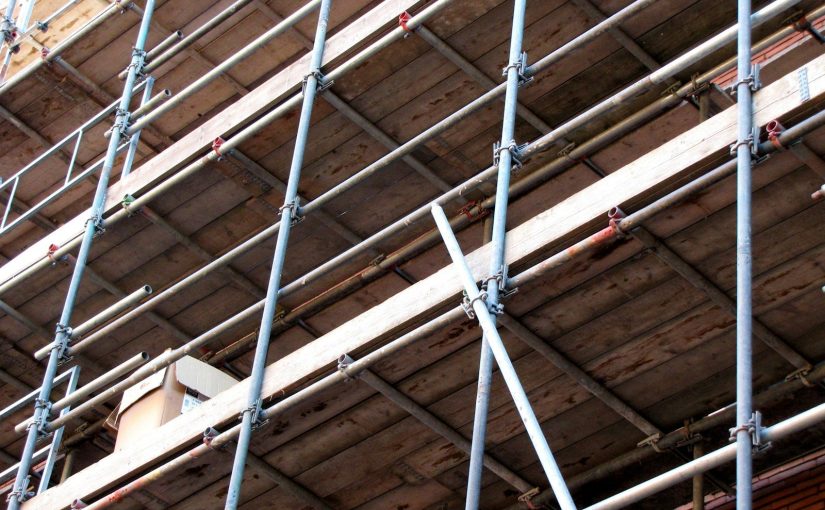
Simply put, a Stahlgerüstbauer is a trained expert who designs, builds, and takes down steel scaffolding and other temporary structures. They create safe access to hard-to-reach places—like tall buildings, bridges, industrial plants, or event locations—making sure that workers and equipment can safely operate at great heights or in tricky spots. Unlike regular scaffolders who may use lightweight materials or work on smaller jobs, Stahlgerüstbauer focus on solid steel systems that can handle heavy loads and complex shapes, often over long periods or across large, technically difficult projects.

The term comes from the German “Stahl” for steel and “Gerüstbauer” for scaffolder, and is an officially recognised trade in German-speaking countries. In places like Switzerland and Austria, you might see similar titles like “Gerüster” or “Gerüstmonteur.” But when steel is involved, the job becomes more specialised, requiring deeper know-how.

How the Job Has Changed

Scaffolding in various forms has been part of building projects for centuries. However, the Stahlgerüstbauer’s work really changed with the arrival of industrialisation, bigger buildings, and more complex structures. While older scaffolds relied mostly on wood or simple tubes, today’s workers use pre-designed steel systems allowing much larger, safer, and more durable solutions.

Companies like KUGE Bau AG near Bern show how far this craft has come. They have brought together hands-on skills and modern tools like 3D planning models, computer-based structural analysis, and digital scheduling software to fit steel scaffolding exactly to each unique project. Today’s scaffolds have to meet tight safety standards, including wind resistance and precise load calculations—enforced by agencies like SUVA (Swiss Accident Insurance)—making the role even more technical.

Day-to-Day Duties of a Stahlgerüstbauer

The daily job goes well beyond putting together a few steel tubes. A Stahlgerüstbauer’s main duties include:

  • Assessing the shape, size, and needs of each construction, renovation, or industrial project
  • Planning detailed layouts for scaffolding using 3D software or custom drawings, especially for complex jobs
  • Building and securing platforms, stair towers, or protective covers according to safety demands
  • Setting up lifts, hoists, or weather covers to help with logistics and protection
  • Taking down the structure and moving materials off-site safely and efficiently

For specialist providers, such as KUGE Bau AG, no two scaffolds are ever exactly alike—every job is planned down to the last detail. In busy regions like Bern and Fribourg, scaffolding teams can mobilise within 48 hours, highlighting just how important quick response has become.

Industries and Projects That Rely on Stahlgerüstbauer

The need for expert steel scaffolders comes from many directions:

  • Factories and industrial plants: Places like power stations, assembly lines, and silos need sturdy, top-quality scaffolds that won’t interrupt operations.
  • Building sites and renovations: Roof repairs, solar panel installs, façade cleaning, and structural upgrades all depend on scaffolding that keeps workers safe far above the ground.
  • Bridges and infrastructure repairs: Maintenance or inspection often requires specially designed, suspended structures over water or traffic.
  • Events and culture: Big concerts, festivals, stadium events, or art installations commonly need temporary steel platforms and stands that are strong but not obtrusive.

Leading specialists can offer everything from custom event platforms to complex industrial scaffolds, proving just how versatile the work of a Stahlgerüstbauer has become.

Safety, Training, and Essential Skills

The heart of this job lies in safety. Steel scaffolds have to safely hold up not just standing structures, but also the constant movement of workers, machinery, and materials. Strict national and insurance standards regulate aspects such as load-bearing strength, installation methods, fall protection, and safety rails.

To thrive in this trade, a Stahlgerüstbauer needs:

  • Strong physical condition and no fear of heights—most work is outdoors and involves climbing
  • Foundations in engineering—understanding loads, forces, and materials is critical (often learned through a multi-year apprenticeship)
  • Unwavering attention to safety details, since errors could endanger entire construction teams
  • The ability to read plans, visualise spaces, and use new digital planning tools

Comparing Stahlgerüstbauer and General Scaffolders

While both roles handle scaffolding, key differences stand out:

RoleGeneral ScaffolderStahlgerüstbauer (Steel Specialist)
Materials UsedMix of steel, aluminum, and rarely woodPrimarily advanced steel systems
Usual ProjectsHouses, small buildings, basic jobsFactories, bridges, large events, special builds
Project DifficultyStandard layouts and heightsHeavy loads, unusual shapes, technical complexity
Planning LevelStandard plans and quick setupsIn-depth designs, engineered structures
Client NeedsPractical access, basic timingFast, tailored service for challenging projects

Many top companies now clearly offer both basic scaffolders and Stahlgerüstbauer as separate services, especially for big or complicated jobs.

Challenges for Today’s Steel Scaffolders

Despite growing demand, several big challenges face this profession:

  • Shortage of trained workers: As projects become more complex, having enough skilled steel scaffolders is a real concern, since the job is tough and requires serious training.
  • Difficult working conditions: Bad weather, heights, and the use of heavy steel make the job physically intense, with safety always needing to be front-of-mind.
  • Pressure to deliver quickly: Clients expect their projects finished fast. This puts constant planning, coordination, and efficiency pressure on scaffolding firms.

Leaders in the field keep equipment and staff on standby and have teams ready to deploy rapidly to reduce costly downtime.

Opportunities and the Future

There are exciting trends and opportunities emerging in this field:

  • Demand for renovation and energy efficiency upgrades: The popularity of projects like façade repairs and adding solar panels continues to fuel long-lasting demand for steel scaffolding.
  • Increasing digitalisation: Scaffolding plans are now often designed digitally, using 3D models, laser measurements, and real-time planning tools, making work faster and safer.
  • Unique special projects: As towns invest in new events and architecture, more creative and complex temporary structures are needed than ever before.

Companies who balance technical excellence, fast service, and honest prices are likely to perform well into the future.

Hiring the Right Stahlgerüstbauer

If you need steel scaffolding for your next build, renovation, or event, keep these points in mind:

  • Make sure the company focuses on demanding steel scaffolds, not just basic setups
  • Ask if advanced planning tools like 3D simulations and structural analysis are part of their process
  • Insist on clear safety proof—such as SUVA or similar—before any work starts
  • For urgent jobs, pick a provider who can be on site quickly and openly shares costs, schedules, and technical details

In the Bern region, specialised teams like those at KUGE Bau AG offer fast, reliable industrial scaffolding for all types of unique steel projects.

Building a Career as a Stahlgerüstbauer

For those considering this career, it can be both personally and financially rewarding. Here’s how to get started:

  • Finish an official scaffolder’s apprenticeship—it usually takes three years and covers scaffolding systems, structural basics, and practical work
  • Get comfortable with working at heights and with safety gear
  • Look for experience on challenging projects to move toward complex steel work
  • Think about advanced qualifications or special training in structural planning, to open doors to supervisor or independent roles

For people who love hands-on construction work and technical problem solving, this trade offers a great mix of security, pride, and fresh challenges.

Why the Stahlgerüstbauer Matters

Modern life depends more than ever on sturdy, safe scaffolding—whether for tall buildings, vital repairs, or one-of-a-kind events. The Stahlgerüstbauer stands at this intersection of safety, engineering, and speed, making their skills critically important for successful modern construction. Whether you’re a builder, a client, or someone interested in this path, the work of the Stahlgerüstbauer is the hidden strength holding together some of the most ambitious projects in our cities.

How Org Chart Templates Boost Workplace Productivity

Organizational chart templates are powerful tools for improving how businesses operate. By turning confusing reporting structures into clear and shareable maps, these templates help teams understand their relationships and responsibilities much faster. When combined with modern tools like Org Chart Studio, building, updating, and sharing a chart becomes a matter of minutes instead of spending hours on the process.

Understanding Org Chart Templates

An Org chart template are essentially ready-made frameworks that display job titles, reporting connections, and team interactions. Instead of starting from an empty canvas, you simply insert the appropriate names and positions. These templates come with standard shapes, connecting lines, and various example designs—including hierarchical, matrix, or flat layouts—so you can pick the style that fits your organization.

These predesigned templates relieve teams from handling layout adjustments and design choices. This allows managers to concentrate on outlining who is responsible for what task, instead of spending precious time worrying about spacing or font selections. Busy professionals who need a quick visual representation of their team benefit from this approach, avoiding the headache of launching lengthy design projects.

Supporting Smooth Operations Every Day

Having a clearly structured org chart, especially when built from a template, brings significant improvements to daily operations. When everyone can easily see reporting lines and key roles, it is much simpler to determine who to ask for approvals or who has the needed expertise for specific questions. This clarity significantly cuts down on delays and eliminates the chaos of guessing who to contact for each task.

Consistency is another major benefit. Templates allow organizations to build charts that look and feel the same across different departments. Employees don’t have to spend time figuring out unfamiliar formats whenever they join a new team or switch roles. This standardization makes it easy to quickly understand how various parts of the business are organized, allowing everyone to get up to speed faster.

Easing New Hire Onboarding and Managing Changes

Well-designed org charts also play a huge role when bringing new team members on board. New hires can glance at a structured chart and easily recognize the layers of leadership, key contacts, and collaboration paths. Managers spend less time explaining complex hierarchies, and newcomers integrate more rapidly into the company culture.

Additionally, org chart templates make times of company reorganization much less stressful. Leaders can draw up different organizational structures quickly, compare how adjustments would impact teams, and identify better solutions before finalizing any decisions. This speeds up discussion and leads to smarter organizational changes since every possibility is clearly visualized ahead of time.

Improving Planning and Resource Management

Org charts offer managers a bird’s eye view of team structures, illuminating where teams may be understaffed or unnecessarily complex. When these charts are based on current employee data and up-to-date role information, it becomes easy to see where gaps or overlaps exist. Decision-makers can then act quickly—whether they need to hire somebody, reassign resources, or streamline a department.

If your business needs to test out scenarios for growth, create new project teams, or test new operating models, templates make it a breeze. Instead of redrawing the whole chart whenever plans change, you can instantly showcase multiple visions and help stakeholders make educated choices about future updates to the company structure.

How Modern Org Chart Tools Make Templates Even Better

New tools such as Org Chart Studio push template efficiency even further. They automate many of the tedious tasks associated with building a chart—like lining up boxes and connecting reporting lines. Creating or changing a structure is as simple as dragging and dropping names on a visual workspace.

If your team data is stored in a spreadsheet, Org Chart Studio can pull this information in directly. With just a few clicks, a complete organizational chart is auto-generated from your file. Plus, features like automatic saving, undo/redo, and cloud backup mean you can play around with different scenarios without ever worrying about losing progress.

Org Chart Studio focuses on quick setup and low-cost solutions. You can use it for free to organize teams as large as 100 members, and there is just a reasonable, one-time fee if you want extra features like clean image exports. This keeps things simple for managers looking for productivity gains without adding expensive ongoing software costs.

Tips for Choosing and Using Org Chart Templates

To get the most from your org chart templates, select a template that closely matches how your company truly operates. Whether your team follows a traditional boss-to-employee chain, uses a matrix with shared responsibilities, or maintains a flat management style, picking the right template limits the amount of editing and ensures the chart reflects daily reality.

Make it a habit to update your chart with every important change, such as team reshuffling or introducing new leaders. Don’t let your org chart become just a one-off project—by keeping it fresh and pairing it with easy-to-access tools, you empower every employee to find contact info, learn about accountability, and confidently navigate workplace structures.

Org chart templates are not just time-savers—they actively boost productivity, foster clarity, improve onboarding, and streamline business changes with very little effort. With smart use of these templates and supportive software, any manager can help create a workplace where everyone knows where they fit and who can help when it matters most.

Going the Extra Mile: What Makes a Truly Outstanding Jersey City Personal Injury Lawyer Different?

Jersey City can be a risky place when it comes to accidents. With its busy roads, construction sites, and crowded sidewalks, residents often face hazards like car crashes, slip and falls, or on-the-job injuries. In these moments, turning to an ordinary attorney may not be enough. The most successful personal injury lawyers in Jersey City do much more than share the basics. They provide dedicated, assertive help to get the highest settlements, thanks to hands-on local experience and a customized approach suited to New Jersey’s specific legal landscape.

Deep Local Experience Matters

A top jersey city personal injury lawyer brings far more than legal talk. They know how the local courts, officials, and systems truly work. Firms with two or three decades of combined practice in Hudson County have worked on countless cases—each teaching them about the unique dangers and red tape Jersey City brings, whether it’s a logjam on the Turnpike or falls in high-rise apartments.

This kind of direct know-how makes a big difference, especially in the area’s most frequent cases: car and pedestrian accidents, as well as rideshare collisions and big trucking crashes. Experienced lawyers not only spot every insurance trick, they have the track record and relationships to push for more generous settlements.

Of course, years on paper mean little unless they back it up by winning cases like yours. The best firms have a history of large client payouts and know how to avoid common mistakes that slow down beginners or out-of-town attorneys.

Real Results: A Proven Track Record

You want a legal team that doesn’t just promise, but consistently wins. Leading Jersey City lawyers show their expertise by pointing to millions won for previous clients. Their past results send a message to the insurance companies: lowball deals won’t work because this attorney is prepared to go all the way if needed.

Because New Jersey jury verdicts are often larger than other places, clients benefit from lawyers who combine smart investigation, strong evidence, and firm negotiations. Honest testimonials and results shared up front help build confidence with new clients, so you start your case knowing you have a problem-solver by your side.

Many of the most respected firms were started by experienced attorneys who decided the best results come with committed, focused representation—not just handling as many cases as possible.

Expert Negotiators Get Better Settlements

It may surprise some people, but most personal injury cases don’t end in court—they end at the negotiating table. Jersey City lawyers dealing with aggressive insurance adjusters must be sharp negotiators who know every tactic, from starting high to pushing back with solid evidence.

A skilled lawyer assesses what makes your case strong, listens to your concerns, and then tailors the negotiation toward the best outcome—like long-term settlements for future treatment or full pay for time missed from work. With professional legal help, clients usually receive far better offers than those who fight alone or accept the first pitch from an insurer.

Some accidents, such as ride-share or workplace incidents, can involve tricky issues regarding who’s at fault. Top-notch negotiators dig beneath the surface to uncover responsible parties others might overlook, which leads to higher settlements and justice for their clients.

Confident in the Courtroom: Ready to Go to Trial

The finest Jersey City personal injury attorneys don’t settle just to finish quickly. When insurance companies refuse to offer fair compensation, they’re fully prepared to take your case to trial. Years of courtroom wins, especially in tough catastrophic injury cases, warn opponents they can’t get away with minimal offers.

Comprehensive preparation is key: these lawyers call on medical specialists, perform deep investigations, and study previous legal decisions. This preparation pays off in courtroom situations, from product defect to unsafe property claims.

Knowing how local judges think and rule often makes Jersey City’s trial professionals effective when it counts most—for instance, achieving better results than general practitioners who rarely step foot in a courtroom.

Compassion Combined with Drive

Genuine care for clients separates the average from the best. A great lawyer understands the pressure and pain that come with an injury and tries to lift some of that burden by being accessible, supportive, and clearly explaining what’s happening at every stage.

The best Jersey City legal teams combine this compassion with a relentless determination to get you everything you’re owed. They are available around the clock, respond quickly to worries, and tailor their approach to your individual needs—whether it’s a complex construction injury or a case as specific as a dog bite. This level of personal attention is why former clients often recommend them to friends and family.

Clear Communication and Strong Support Team

Transparency builds trust. Leading personal injury attorneys keep clients in the loop about every aspect of their case: possible risks, timeline, payment arrangements, and what to realistically expect. The language is clear and down-to-earth, without unnecessary legal jargon.

Their well-supported offices ensure that no detail gets missed. Teams include skilled paralegals and investigators, freeing clients to focus on recovery. Thanks to connections with experts—like doctors or accident investigators—claims are much stronger in cases like workplace injuries or slips and falls.

Working on contingency means clients don’t pay anything up front. It’s another sign that their goals and yours are truly aligned.

Understanding Jersey City’s Unique Risks

Jersey City’s proximity to New York and challenging infrastructure means that accident rates—with everything from trucking to biking—are often higher than elsewhere. An exceptional lawyer knows exactly how New Jersey “no-fault” insurance law and specific city ordinances apply to each case. They strategically choose when and where to sue, and know how to hold businesses or individuals accountable in Hudson County.

Their deep ties to the area, sometimes right down to a specific Bergen Avenue address, give them insight into neighborhoods, hot spots for accidents, and how to handle seasonal hazards like icy sidewalks. They leave no stone unturned and no potential source of compensation unexamined.

Honest Guidance Built on Trust

True professionals value honesty above hype. Reliable personal injury lawyers talk frankly about the road ahead—what’s possible, what’s risky, and why there aren’t guaranteed outcomes in any case. Instead of offering empty promises, they craft personalized legal plans that address your medical, financial, and emotional challenges.

When lawyers and their staff work together over many years, you benefit from stability and consistency in how your claim is handled. In the end, you’ll get honest answers and informed advice, every step of the way.

The Bottom Line

Choosing a Jersey City personal injury lawyer is about much more than hiring a legal helper. The best attorneys come with years of specific experience, a reputation for achieving great outcomes, a caring approach, clear communication, local insight, and steadfast honesty. By finding a lawyer with these qualities, you turn a stressful, uncertain time into the best possible chance at a successful recovery.

Coach House Construction in Ottawa: A Complete Guide

Coach house construction in Ottawa has become a practical and popular way for homeowners to add living space and flexibility without buying a bigger home or moving out of their current neighbourhood. People throughout Ottawa are turning their backyards into valuable assets, turning spare outdoor space into secondary living units that serve a range of family, financial, and lifestyle needs. In this guide, you’ll find out what a coach house really is, the city’s key regulations, what it takes to build one, and how to decide if this solution fits your property and budget.

Unlocking Hidden Value: What is a Coach House?

In Ottawa, a coach house refers to a small, separate living space you can build in your backyard. Unlike finishing a basement or converting a spare room, a coach house is a full living unit with its own entrance, kitchen, bathroom, and sleeping space. Since Ottawa updated its rules in 2017, coach houses are a big part of the city’s efforts to add housing gently; that means adding more residents without greatly changing the look or feel of existing communities.

From building a home for parents or adult children to creating a rental suite or a dedicated home studio, homeowners have found many reasons to build coach houses. Builders in Ottawa now offer turn-key coach house packages, covering design, permits, and construction—showing it’s possible to add real, lasting value to your property.

brown and white wooden house

Understanding “Coach House Construction” in the Ottawa Context

What Does Ottawa Law Say?

If you’re starting to look into “coach house construction Ottawa,” you’ll quickly see three main topics come up: the type of units you can build, what zoning rules you must follow, and around how long and expensive the process will be. Ottawa classifies coach houses as “additional dwelling units” (sometimes called ADUs) and outlines their requirements in city bylaws.

Here are some basics:

  • Only one coach house is allowed for each main dwelling. If you already have a secondary suite or another extra unit, you usually can’t add a coach house as well.
  • In urban settings, your coach house usually needs to be in the backyard and appropriately smaller than your house, both in size and height.
  • There will be a maximum total of housing units per lot—usually three in total, but always double-check the rules for your property.

This means the process involves some complexity. Even small planning mistakes can slow down or block permit approval, making it smart to work with an experienced builder or designer.

Rules About Size, Height, and Utilities

Ottawa’s regulations are clear about how large and tall your coach house can be:

  • Maximum size is usually no more than forty percent of your main home’s footprint or backyard, with a strict upper limit (about eighty square meters in urban areas and ninety-five in rural places).
  • In most of the city, you’re limited in height to just under four meters, unless you’re building on or above a garage, where a higher limit might apply.
  • Urban coach houses usually tap into your main house’s water and sewer, while rural ones often need to link to, or sometimes upgrade, well and septic systems.

While you’re not required to provide a separate parking spot for your coach house, you can if you have space on your existing driveway.

Ottawa’s Coach House Trend: Why So Many Homeowners are Building

What’s Driving the Popularity?

Several reasons explain why coach houses are taking off across the city:

  • House prices are climbing, making extra rental income or a way to help adult kids or parents live nearby yet independently very attractive.
  • Many families want to stay together across the generations, and a coach house provides privacy but proximity.
  • The unit can easily go from a short-term rental or student accommodation to a permanent suite for an aging parent or even become a home office or art studio.

Specialist building companies in Ottawa have shown just how many variations are possible—whether you want a compact guest cottage, a fully separate rental suite, or a large home for extended family.

Coach House Versus Garden Suite

A common question asked by homeowners is about the difference between a coach house and a garden suite. In Ottawa, coach houses are considered permanent, long-term secondary dwellings built as separate structures. They’re part of your property’s legal status and real estate value. Garden suites, by contrast, are seen as temporary accommodations—often allowed for a set number of years and then must be taken down.

Because coach houses are meant to be permanent and provide better value over time, the planning rules and construction process are a bit more detailed and demanding.

Do You Need an Architect?

You can’t build a coach house without official construction plans. Even small coach houses need drawings that follow city zoning and technical building standards. Most coach house builders either offer design services in-house or work closely with local architects and structural engineers who know Ottawa requirements. These permit-ready blueprints are needed not only for the city’s review but for construction as well, ensuring your build runs smoothly.

How Long Does a Coach House Take to Build?

Expect your coach house project to last anywhere from five to seven months once the city approves your permits. Timelines vary based on weather, the level of customization, and finishing details. Reputable local builders use special equipment to handle foundation work even in cold weather, so you don’t have to pause for winter.

Coach House Challenges and Rewards

Common Hurdles

Building a coach house, while rewarding, does come with a few challenges:

  • Zoning and layout issues—some backyards don’t have the space, and taking into account corner-lots or protected properties can make things more complex.
  • Connecting or upgrading water, sewer, or septic systems can take extra time and add to your costs.
  • Initially, it’s a real investment—a custom-built coach house is closer in budget to an actual small house than a garden shed.

Also, don’t underestimate “soft costs:” things like surveyors, design, engineering checks, and permit fees can add up quickly if unplanned.

Big Opportunities

Still, the benefits can outweigh the obstacles:

  • Provincial and city policies actively support these additional units as a step toward solving the housing crunch.
  • A well-built coach house generally increases your property’s value, helps attract more buyers if you ever sell, and can provide steady rental income.
  • Most importantly, it makes your property adaptable—ready for family, guests, or lifestyle changes as needs shift over the years.

Ottawa builders keep pace with changing regulations and deliver hassle-free services covering everything from zoning analysis to year-round construction.

Step-by-Step: How to Build a Coach House in Ottawa

1. Check if Your Property Qualifies

Start by looking up your property rules:

  • Make sure you don’t already have the maximum allowed dwelling units.
  • Measure your lot and main home footprint to see what size of coach house you can have.
  • Review regulations on how far your coach house must be from property lines and any heritage restrictions that might apply.

Some local builders can assess your property and help with these early checks.

2. Find the Right Team

Pick professionals experienced in Ottawa’s coach house requirements:

  • Designers or architects ensure the unit fits zoning and design rules.
  • Engineers handle things like structure, air flow, or septic systems.
  • An established builder familiar with coach houses can manage permits and project steps.

Some companies combine all these services so you can deal with a single team from start to finish.

3. Get the Proper Permits

You’ll need to apply for a building permit, which includes attaching detailed drawings and proving that your plans meet local and provincial rules. Projects may require city approval for things like accessory dwelling, setbacks, and, where needed, new service connections.

The right contractor can manage all the paperwork and inspections for you.

4. Make It Flexible and Efficient

Incorporate features that ensure your coach house remains useful for many years:

  • Step-free entrances and bathrooms for anyone with mobility issues.
  • Good insulation and energy-saving appliances to cut heating bills.
  • Smart layouts and lots of built-in storage to suit future tenants or changing family needs.

Leading coach house builders offer smart, standard layouts with room to personalize—and make sure your new unit suits both your budget and your life.

The Future of Coach Houses in Ottawa

As Ottawa continues looking for ways to add homes without building high-rises everywhere, coach houses will become an even bigger part of city housing plans. For homeowners, working with reputable, specialised builders takes away guesswork, letting you add real value for both today and the future.

If you’re thinking about building a coach house, start by consulting an Ottawa-based expert to assess your lot and guide you from idea to occupancy. That way, you can fully enjoy all the advantages backyard living has to offer—while meeting city requirements every step of the way.

Paw-some Playdates: How Pet Daycare is Changing Life for Dogs and Their Owners in 2026

Picture this: you drop off your playful dog at a lively center filled with other happy pets, and when you return, you find your dog tired but thrilled after a day packed with companionship and activity. Pet daycare is quickly becoming the top pick for owners with hectic schedules who want their furry friends safe, stimulated, and well-cared for during the day. Let’s explore what pet daycare really is, how it’s changed over time, the exciting trends for 2026, and the best advice for finding the right fit for your pet.

What is Pet Daycare?

Pet daycare means you leave your dog or cat for the day at a facility designed especially for animals. It runs from morning until evening, and unlike boarding, it doesn’t include overnight stays. The main goal is to offer fun, structure, and social interaction. Staff members create groups for play, keep things safe, and offer both group and one-on-one time. Some places even have options like spacious playrooms or a mix of indoor and outdoor spaces. Regardless of setup, the focus is always play, rest, and social ties—helpful if you’re out running errands all day and want your pet relaxed and happy when you get home.

A Quick Look Back at Pet Daycare’s Growth

The concept of doggy daycare isn’t brand new—it dates back to the 1980s, when a growing number of professionals needed solutions for their pets while working long hours. What started small in big cities, like in New York, spread quickly once people saw how it helped keep pets active and safe instead of bored or destructive at home alone. Through the years, more people began treating pets like family rather than just animals. This led to a bigger need for reliable daytime care, especially as more families have become two-income households. Fast forward and in the United States alone, businesses offering pet daycare have become a billion-dollar industry, and facilities across Europe and around the world are keeping pace with similar services.

Why Owners (and Their Pets) Love Daycare

Beyond just convenience for busy people, pet daycare now offers a variety of benefits, both for animals and their humans. Socialization is a big one—being around other animals prevents boredom and loneliness. Pets get the chance to play, which means regular exercise and a break from being penned up at home. Some places, such as upgraded pet resorts, have even added extras like bathing, training classes, or one-on-one enrichment time. With technology entering the industry—think pet cameras and tracking collars—owners feel even more at ease during the workday. The most in-demand service is still full-day care, appealing especially to typical office workers. Some, like Vancouver’s Shaughnessy branch of Jet Pet Resort, add luxuries like comfy lounge spots with beds or TVs, all for a daily price that reflects these fancy perks.

FeaturePet DaycareDog Boarding
Daytime Service?YesNo
Overnight Care?NoYes
Strong Emphasis on Play?YesNot always
Focus on Routine Only?NoYes
Average Price (US)$35/day$40/night

Busting the Biggest Pet Daycare Myths

Sometimes, the idea of sending off your pet to daycare brings worries: overcrowded playrooms, aggressive play, or even the old image of bored dogs stuck behind bars. At reputable facilities, this isn’t the case. Centers have properly trained staff members who match pets by size, age, and ability, making sure everyone stays safe and healthy. Instead of just being stuck in a cage, most places keep pets busy with toys, agility play, group sports, or calming nap time. This isn’t just for bouncing young dogs either—older or quiet animals enjoy social days at their own pace, with soft resting zones and plenty of calmer activities. Some owners supplement daycare with other services, such as dog walks, for the best balance of activity and rest.

The Difficulties Pet Daycare Faces

High-quality care comes at a cost, so price can be a barrier for many families, especially at luxury spots or in big cities. In some rural areas, it’s just not available yet. Challenges got even tougher during the COVID-19 pandemic’s early days, when bookings dropped and many staff lost work. Now, as more people return to the office, demand is shooting back up. However, not all centers are equal—some cut corners on staff or cleaning, risking safety and cleanliness. For pets who get overwhelmed easily, being with a pack of dogs all day might not be ideal. That’s why responsible facilities offer meet-and-greet trial days to check pet comfort and behavior before a regular schedule starts.

Where Pet Daycare Goes From Here

Interest in pet care keeps growing fast, especially as younger generations spend more on animal wellness and expect high-tech options, like food plans and automatic activity monitors. Franchises are expanding, making it even easier to find care in both small suburbs and large urban centers. As future services mix standard daycare with on-site vet checks or grooming spas, it’s likely the lines between “care” and “luxury” will continue to blur. European cities are hurrying to offer more options too, with new dog-centric resorts and creative daycare services sprouting up each year.

How to Pick the Perfect Daycare For Your Pet

  • Visit in Person: Tour the facility before signing up. Watch for clean rooms, secure gates, clean toys, and a manageable pet-to-staff ratio—generally one staff per 10–15 dogs means individual needs aren’t ignored.
  • Do a Test Day: A short introduction let’s you see how your pet reacts. Does your dog play and relax—or seem anxious? Good centers will offer a trial without pressure.
  • Ask Important Questions: For example, what vaccinations do they require? Are there cameras if you want to check in? What’s the routine if a problem pops up during the day?
  • Look For Real Reviews: Read what other local pet parents say about the center, either online or with verified booking sites.
  • Choose by Your Dog’s Needs: If your pup is highly active, pick a center with room to run and lots of toys outside. If your dog is calm or an older pet, be sure there are special quiet zones just for them.

In bigger cities like Vancouver, top-tier pet resorts even offer discounts for families with more than one dog.

Booking and Budgeting Tips

Think about what’s most practical: how far is the daycare from your home or office? If you live in or around a city, you’ll have lots of options (including dog-walkers or day-visit sitters if you prefer home routines for shy pets). Some centers let you book repeat visits using their app and receive live updates about your pet’s day. Cost matters too—a basic daycare spot is the most affordable, but things like grooming upgrade packages could mean longer, happier days for your animal.

With pet care more popular than ever, daycare isn’t just an upgrade—it’s often a must for working families or those wanting to give their animals a social, healthy routine. Explore local facilities today, and treat your dog to fun-filled days of companionship, adventure, and plenty of tail-wagging happiness.

7 Small Habits for More Energy, Focus, and a Better Mood in Just Two Weeks

If you want to feel more awake, motivated, and positive, a few easy habits make a big difference—especially when you practice them every day. Tiny changes are easier to keep up, and when they fit easily into your daily schedule, they’re much more likely to stick. Try out these simple habits, made for people with busy lives, and you’ll likely notice a real improvement within a couple of weeks.

1. Begin Your Day with Purpose

Your mornings are important—they can shape how your whole day goes. You don’t need a long or complicated routine; just a few calm minutes can set you up for a smoother, more positive day.

  • Before you reach for your phone in the morning, spend a few minutes thinking about the top three things you want to get done.
  • Try a quick activity to clear your mind, like a few deep breaths, a gentle stretch, or writing a short journal entry. This helps signal your brain that you’re beginning a fresh day.
  • Keep your routine short and repeatable. The simpler it is, the easier it is to do even on your busiest mornings.

2. Add Small Pockets of Movement

Moving your body doesn’t always mean a long workout at the gym. Little bursts of movement during your day lift your mood, boost your energy, and help you sleep better—and they’re much easier to stick with than long or intense exercise.

  • Sprinkle a few five-to-10-minute walk, stair climb, or light exercise breaks throughout your day.
  • Try adding these movement breaks to your existing routine, like after breakfast or in the afternoon, so they become automatic.
  • Keep track of your efforts on paper or with a note on your phone. Seeing your progress gives you extra motivation to keep going.

3. Squeeze in Micro-Mindfulness Moments

Mindfulness doesn’t mean you have to sit quietly and meditate for long periods. Instead, simply pausing for mindful moments here and there helps keep your stress down and your mind more settled, especially when practiced daily.

  • Take three slow, deep breaths whenever you feel rushed or before starting a new task.
  • Try doing a quick body scan during your day, noticing if you’re holding tension anywhere and then relaxing those areas.
  • Pick one daily chore, like making tea or tidying your desk, and do it with your full focus instead of trying to multitask.

4. Boost Your Nutrition with Small Choices

Changing all your meals at once isn’t necessary. Often, simple changes—made consistently—have a bigger effect on how energetic and focused you feel.

  • Start your morning with a balanced breakfast with protein, healthy carbs, and fiber—like yogurt with berries, or eggs with whole grain toast.
  • Swap at least one can of sugary drink for water each day. Keeping a water bottle near you reminds you to drink more often.
  • Add an extra serving of fruits or veggies to one of your daily meals, instead of jumping into a strict diet. Small additions go a long way.

5. Protect Your Focus with Simple Boundaries

It’s easy to lose track of your time thanks to non-stop notifications and to-do lists that feel never-ending. Giving yourself a few simple boundaries helps you feel less scattered and get more meaningful work done.

  • Choose just one or two time blocks each day (about 25–50 minutes each) when you turn off notifications and only do a single task.
  • Group together things like answering texts and checking emails and handle them at a set time, rather than responding all day long.
  • Limit your daily to-do list to three top must-finish items. This helps you focus on tasks that truly matter and end the day feeling accomplished.

6. Strengthen Your Relationships a Little Every Day

Connecting with others even in small ways gives your mood a real lift and helps build resilience. Quick moments of kindness or being present with someone can make a noticeable difference over time.

  • Send a thoughtful message daily. It could be a quick thank-you, a friendly check-in, or cheering someone on.
  • Make one tiny ritual with someone you care about. For example, share a small win or a challenge from your day with them in the evenings.
  • Be fully present at least once a day in conversation—set aside your phone and just listen without interrupting.

7. Wind Down and Reflect Each Night

How your day ends can greatly affect your sleep and how ready you feel for what’s next. Taking intentional time to reflect helps you let go of stress, solidify any new habits, and quiet your mind before bed.

  • Spend three to five minutes noting what worked well that day, what was tough, and one thing you want to try different tomorrow.
  • Prepare small things for the next morning—such as picking out clothes or jotting down the first thing you’ll tackle at work. This makes mornings less stressful.
  • Set up a bedtime routine that doesn’t involve screens. Light stretching, reading, or journaling helps you wind down and signal to your body that it’s time to rest.

How to Make These Habits Stick in Just Two Weeks

Seeing results comes from picking small, realistic habits and practicing them every day. Trying to start everything at once often backfires, so begin with just one or two that seem easiest and build up gradually.

  • Go with a habit that matches what you feel ready to handle now, whether that’s evening reflections, a stress-free morning, or energizing short walks.
  • Use a simple system to track your effort, like a checklist. Missing a day is OK; focus on not missing twice in a row.
  • After two weeks, pause and notice any positive changes in your mood, energy, and focus. These small wins keep you moving forward.

Following these daily steps doesn’t require a big life overhaul, but they support brighter days, better relationships, and more focus. With a consistent routine made up of little actions, personal goals—like launching projects, working smarter, or enjoying opportunities on platforms like wingclub168 – suddenly look much more reachable.

Binance App vs Web: Which Trading Option Is Best in 2024?

When it comes to cryptocurrency trading in 2024, Binance remains a top choice for both new and experienced traders. The Biance平台 is available in two main formats—a browser-based web version and a downloadable mobile app. Both options come packed with tools and features but cater to different needs, depending on how and where you trade. Deciding between the web experience and the mobile app depends on factors like design, speed, and security. Let’s break down the main differences and see which one might be better suited for you this year.

A Quick Look at Binance’s Platforms

The Binance web version is designed for use on desktop and laptop computers via popular browsers. It delivers a full range of trading tools and supports nearly 300 million people. On the web, users can interact with a wide selection of features such as spot, futures, margin trading, and earning products. You have real-time access to prices from over 350 cryptocurrencies—including big names like Bitcoin and Ethereum—and can see a massive daily trade volume reaching beyond $100 billion.

Binance’s app, available on both iOS and Android, replicates most of the important features but tailors them for small screens and easy touch navigation. It comes with two modes: Lite, for beginners and quick trading, and Pro, for users who need extra detail. In 2024, the app added AI-driven recommendations and customizable widgets, making it more tailored for each user. Both the web and the app put strong emphasis on security and affordable trading fees, with secure mechanisms in place to protect user funds.

Comparing Key Features

Let’s compare what you’ll find on each version:

AspectBinance WebBinance App
Trading TypesSpot, Futures, Margin, Options, P2PSame as web, plus direct staking, NFTs
charting toolsDetailed, multi-chart, technical analysisMore basic, but fits mobile view
CustomizationComplete layout and API optionsCustomizable widgets, easy drag-and-drop
Extra ToolsFull order book, trading botsBiometric login, fast transactions

In practice, the desktop website stands out for complex charting and technical analysis, great for experienced traders. The mobile app, meanwhile, sticks to the core essentials: watch the prices, buy or sell with one tap, and check your portfolio quickly. Both platforms focus on what their users need—but each one comes with a couple trade-offs too.

User Interface & Ease of Use

Navigating the Binance website gives you an all-in-one trading dashboard filled with news, market data, and account information ready to go. The larger desktop screen allows you to monitor multiple graphs, manage open orders, and perform various actions simultaneously. That said, new users might find the overwhelming amount of buttons and information a bit much at first glance.

With the mobile app, the layout aims to keep things simple and clear. The interface wins praise for how easy it is to find your way around. Whether you are brand new and using Lite Mode or an experienced trader in Pro Mode, the app tries to match your needs. With the recent introduction of AI advice and extra touchscreen functions, more traders report being satisfied. The only catch is that small smartphone screens limit how many things you can look at at once.

Speed and Overall Performance

Speed can make all the difference in live cryptocurrency trading. The desktop website loads quickly and can handle millions of requests without slowing down—even at the busiest times. This reliability is perfect for high-frequency traders who need every split second.

The mobile app works well on stable WiFi or network connections, and newer updates this year have made it even faster at executing trades and orders. If you have an older device or face network issues, occasional slowdowns might occur during chaotic market swings. The web version still has a slight edge here, offering greater stability when trading is most intense.

Safety and Security

There are certain risks linked to browser trading, mainly phishing scams or bogus websites trying to steal your info. Binance greatly reduces these risks with two-factor authentication and by not requiring any extensions for its secure wallet. The platform manages a recovery fund that steps in during rare incidents of lost funds.

Trading via the Binance app gives your account another layer of protection. With biometric login like fingerprint scanning, it’s tough for anyone but you to get in. As of 2024, the app includes safer key storage options and better self-custody tools. In both versions, users must verify their identity to remain compliant with regulations and keep everyone’s funds secure.

Benefits and Downsides At A Glance

Why you might prefer Binance Web:

  • Excellent for multi-monitor desk setups and investors who want deep chart studies
  • Handles lots of data smoothly and rarely lags, even with many open charts
  • Offers every advanced feature without being limited by a phone or tablet

Possible downsides with Web:

  • You can’t use it on the move—requires a computer and good internet
  • Increased risk if you don’t stay cautious about suspicious links
  • Maybe too complex for total beginners

Why the Binance App stands out:

  • Ultimate in convenience; trade from anywhere, anytime
  • Friendly interface and personalization features guided by AI
  • Fast notifications and new payment methods right on your phone

Potential drawbacks of the App:

  • Tiny phone screen is not great for studying complex price patterns
  • Can quickly use up your battery and relies on having steady network access
  • Advanced charting choices are fewer than on the website

Trader Reviews from 2024

Feedback from users continues to shape each platform’s development. Web traders love having the space and detail—especially for trading strategies and serious analysis. Meanwhile, mobile users highlight the convenience of trading or tracking cryptocurrencies on the go, and mention constant performance improvements in recent updates. Some users point out minor issues, like editing orders on the app or getting lost on the web interface, but many of these hurdles have been resolved with upgrades that rolled out this past year.

So, Is the App or Web Better for You?

If you like fast, portable access or want to trade while away from your desk, the Binance app likely has all you need. If you rely on advanced data, trade in high volumes, or want detailed technical options at your fingertips, the browser version is still king. In fact, some traders use both, checking detailed charts at home and trading on their phone when they’re out and about. With Binance steadily improving both formats, the best choice boils down to your own routine, habits, and needs.

The world’s biggest exchange continues to support both types of traders, always looking for new ways to keep trading safe, high-speed, and easy for everyone. Try both versions in practice or demo mode to learn which one fits you—and remember, a smart choice makes all the difference in the crypto world.

Mexico’s Modular Marvels: How Prefab Sheds Are Transforming Fast Construction in a Nearshoring Era

In today’s construction boom in Mexico, getting projects finished fast and on-budget is more crucial than ever. This has made prefabricated sheds, called “casetas prefabricadas” locally, an attractive option for companies and projects seeking reliable and swift space solutions. With the country’s prefab industry expected to reach a massive MXN 191.25 billion by 2025, more businesses are turning to these innovative modular structures. We’ll explain their many advantages, major uses, top suppliers like Multimet based in Monterrey, and how you can start using prefab sheds to improve your workflows and sites.

What Are Prefabricated Sheds?

Casetas prefabricadas are buildings that are put together in a factory, often using insulated panels and strong steel frames. These sheds are designed to be moved quickly to where they’re needed and set up in a very short time. Unlike traditional construction, where teams mix concrete and lay bricks on-site, prefab sheds use multipanel systems—steel sheets with special foam or mineral wool between them. This setup makes the sheds both lightweight and highly insulated.

The roots of these modular designs date back to post-World War II, but they have been adapted to suit modern Mexican industries. In Mexico, specialists like Multimet craft versatile sheds with a focus on cleaner assembly, quieter workspaces, and better temperature control, compared to older building processes.

Prefabricated sheds can be installed in hours or days, which means faster setup and fewer labor costs than traditional construction, which often drags on for weeks or even months. The controlled factory condition ensures little material waste and high assembly quality. Sheds built with multipanel technology block heat and sound, making them ideal for Mexico’s many climates—from Monterrey’s blazing sun to humid coastal regions. Extra touches, like panels filled with mineral wool, even reduce the risk of fire and noise disruptions.

The popularity of prefab sheds is skyrocketing. With nearshoring trends and more factories setting up in Mexico, the prefab market could be worth USD 298.4 billion by 2031. Modular systems built with panels make it easy to expand or move buildings as a business grows or needs change.

FeatureTraditional ConstructionPrefabricated Sheds
Build TimeWeeks or monthsHours or days
Labor & WasteHigherLower, cost saving
Climate ControlOften lacks insulationHigh-quality panels
Ability to MoveUsually fixed structureEasy to relocate

Flexible Uses Across Mexico

Companies across the country use prefabricated sheds in all sorts of industries. For example, Multimet provides special soundproof shelters, fire-resistant units for generators, and tidy clean-room spaces with easy-to-sanitize surfaces. Whether it’s a small site office or a larger operations base, there’s a modular shed to fit almost every workplace scenario.

Among the most popular uses are:

  • Small security cabins that can be delivered and set up in two to three days
  • Prefab units for quick offices, pop-up classrooms, or worker housing for remote projects
  • Ready-to-go sales stands, supply storage rooms, and portable medical clinics with cooling and electrical wiring pre-installed

Data shows that the commercial and industrial markets are leading users of these sheds, preferring the speed and adaptability over rigid traditional construction, as logistics and rapid deployment become critical.

Major Providers Making a Difference

Monterrey has turned into a center for prefab expertise, with companies like Multimet boasting over a quarter century of experience. They can deliver everything from start to finish, including ground preparations and ongoing support after installation. Others, such as Veamid, are known for rugged mobile units on steel frames, often completed in under a day, while Casetas de México tailors shed sizes to every specific need.

Their focus is on modules built tough to withstand corrosion and designed to fit different roles—guard shacks, office pods, and much bigger temporary spaces. Many happy customers mention how fast they received their new structures and how well they perform for daily use.

Challenges and the Road Ahead

While prefab sheds have many upsides, there are still some hurdles. The main one is that starting production in a factory can cost more at first, which may be hard for very small businesses to afford. Proper land preparation is also important before installation to make sure the sheds are stable. Other challenges face the industry too, including swings in material prices and required permits, which can slow things down if not planned for. Still, improvements in building regulations across Mexico are making things easier with time.

On the plus side, with factories and suppliers moving closer due to nearshoring, the demand for rapid new workspace keeps growing. Prefabricated sheds help fill this void using less material and generating mature waste. The future is bright for modular systems too, as designers explore smart and eco-friendly shed options that include energy-saving technology and improve the comfort and safety for users.

Buying Prefabricated Sheds: Tips and Steps

Choosing the right prefab shed depends on your needs. For small tasks with up to four workers, a 6×3 meter option might be just right, but bigger operations may want sheds that can be joined together as needed. Think about whether you need better heat backup (choose polyurethane) or top-notched fire protection (go for mineral wool). Checking warranties and after-sales service matters, too.

If you’re interested in shopping for prefab sheds, here’s how to get started:

  • Ask local providers for quotes and advice based on your site and intended use
  • Make sure the ground is ready and connections for electricity and water are available; providers usually handle the rest
  • Estimate costs based on unit sizes (typically between MXN 50,000–200,000), and consider whether you want to rent or buy, depending on duration
  • Check your local building codes—most Monterrey-based specialists offer free technical guidance

For best results, order from within Mexico to cut delivery times, as experienced companies like Multimet provide nationwide service with a proven reputation.

Mexico’s prefab shed boom is more than just a trend. These modular systems are quickly becoming must-haves for businesses that want to grow efficiently and adapt to an ever-changing landscape. By working with leading providers, you can make your next project faster and add more value—future-proofing your setup in the process.

Elfbar vs. Other Disposable Vapes: Which Is Best for Germany?

Disposable vapes are more popular than ever in Germany, especially among smokers making the transition to vaping. Among many brands, ElfBar continues to be a top pick, but it faces stiff competition from others like Flerbar and SKE Crystal. Each option seems similar at a glance, offering hundreds of puffs and tasty flavors, but there are important differences that might influence your choice. Here, we take a closer look at these top vapes for the German market, focusing on their strengths, flavors, performance, eco-friendliness, pricing, and more.

The Elf Bar Approach

Elf Bar has carved out a leading place among disposable vapes in Germany. Its most well-known model, the Elf Bar 800, delivers up to 600 puffs in a palm-sized package and is designed with ease-of-use in mind for those new to vaping. The prefilled proprietary liquids offer intense, fruity flavors such as Apple Peach and Lychee Ice. These simple-to-use vapes make it easier for smokers to quit cigarettes, offering a high-quality and visible throat hit similar to what cigarette users expect.

Another notable product is the Elf Bar Elfa. This is a prefilled pod kit that focuses more on sustainability. The Elfa model uses rechargeable batteries (with a USB-C port and a 500mAh rating), reducing the number of single-use devices. You can swap out magnetic 2ml pods, so the device lasts far longer than traditional disposables. Safety is a top priority too, with built-in child safety and a soft, rubbery finish that feels good in the hand. There are more than 50 flavor options for German vapers—everything from minty fresh to smooth Cream Tobacco.

German reviewers point out a few things: the flavor and throat hit are steady, but due to local regulations (TPD rules), the nicotine levels are lower than some other countries’ Elf Bars. These rules also limit vape liquid size, keeping everything safe and consistent.

Standout Competitors

Flerbar stays in the race by offering similarly attractive fruity blends like Watermelon Ice and Blueberry Ice. They equip each stick with batteries between 400mAh and 550mAh, easily surpassing 600 puffs per device just like Elf Bar. Flerbar is renowned for dependability and keeping up with other leading brands when it comes to both battery longevity and flavor options.

SKE Crystal stands out with its brightly colored, almost transparent shell, offering fun flavors including candy-like Vimto and Gummy Bear. Its 500mAh battery puts it on a level playing field with Elf Bar, while mesh coils deliver an upgraded experience compared to older coil types. Where Elf Bar opts for a simple matte finish, SKE grabs attention visually.

Other brands like BarJuice and RandM are present in German vape communities, but Elf Bar, Flerbar, and SKE Crystal have built the most trust by delivering great-tasting flavors and direct-from-producer authenticity. Each of these complies with TPD by sticking to 2ml tanks and a 20mg nicotine max, so no brand gets around the local restrictions.

Comparing Performance Side by Side

When it comes to disposable vaporizers, performance is mostly about battery life and puff count—how many draws you can get from a single unit. Elf Bar gives you a slight edge with its 550mAh power source, so it tends to last a little longer before giving out, even as it remains compact and easy to carry. SKE Crystal has a 500mAh battery but holds up nicely alongside, while Flerbar floats between 400mAh and 550mAh in different versions.

Most models provide about 600–800 puffs, but how reliable those puffs are can differ. Testers routinely report that Elf Bar keeps great flavor and full output until the very end, while some other brands have uneven performance toward the last few draws. Three short puffs are all it takes to activate Elf Bar’s vapor production and there are no buttons or settings, just inhale and go.

Take a quick look at how they compare:

FeatureElf Bar 800FlerbarSKE Crystal
Battery Size (mAh)550400–550500
Puff Count600–800600+600
Coil TypeMeshStandardMesh
Liquid Volume (ml)222

Elf Bar’s slightly bigger battery means more vaping time while staying pocket-friendly. No matter the brand, fruit vape flavors generally produce much less smell than smoking regular cigarettes.

Which Vapes Offer the Best Flavors?

One major appeal of Elf Bar is its massive flavor lineup—well over 50 options on the market, satisfying anyone from fruit lovers to tobacco traditionalists. Popular choices like Kiwi Passion Fruit Guava and Blue Razz Lemonade certify Elf Bar as a favorite for those wanting smoother throat hits made with nic salts.

Flerbar keeps it simple but effective, usually featuring frosty, sweet blends that hit the spot for anyone drawn to sugary or chilled flavors. SKE Crystal pushes hard with candy and punch flavors but can’t quite challenge the breadth you get from Elf Bar.

Reviews from across Germany often single Elf Bar out as highest in flavor endurance—the taste doesn’t fade as the vape is used up—while others occasionally fall off in the final puffs.

Ease of Use and Style

Elf Bar’s rectangular block design with its soft-touch coating makes it comfortable, easy to grip, and simple to tuck in a pocket or bag. The Elfa pod system takes things further with rechargeable batteries, helping the environment, while keeping all the convenience of disposables.

SKE Crystal has more of a sleek, glassy look but can feel less sturdy or drop-proof compared to Elf Bar. Flerbar keeps vape size tight and portable for use anywhere.

All three draw attention for their simplicity: just vape to activate, no screen or buttons needed. Elfa devices add a child lock for extra safety, which is especially important in any German home.

How Much Do They Cost?

When you shop at specialist German retailers, you’ll find Elf Bar, Flerbar, and SKE Crystal priced very close to each other, making buying decisions mostly about taste and experience rather than affordability. Elf Bar 800 and the competition all land around the same entry-level cost.

To make sure buyers get the real thing—and not a poor-quality knockoff—many German retailers order directly from each manufacturer, especially for pod kits like Elf Bar’s Elfa, which also give savings over time compared to true disposables.

Better for the Planet

Waste is a problem with all disposables, but Elf Bar’s Elfa series lessens the impact by using one battery and several pod refills. This reusable pod format gives it a step ahead in the eco-friendliness race, as most competitors, including Flerbar and SKE, do not currently offer rechargeable options.

Switching to Elfa is marketed as a good move for both your wallet and the environment because you’ll need to replace only the pod, rather than buying a new device after every tank.

The German Vaper Experience

German reviews of Elf Bar and competitors reveal a high level of satisfaction, with frequent mentions of how easy and quick these products are to enjoy. Elf Bar, in particular, holds four stars or more on review sites, with customers highlighting prompt shipping, strong flavors, and a welcoming throat hit. Users on vape forums praise Elf Bar’s effectiveness for quitting smoking, and experienced staff are always ready to help with questions.

While some say flavors on SKE Crystal drop away more quickly, Elf Bar still enjoys a reputation for lasting quality across the device’s full lifespan.

Following the Rules

Every brand sold in Germany must stick to TPD’s 2ml liquid and 20mg nicotine limits for disposables. Elf Bar design sticks strictly to these rules to ensure lawful vaping everywhere in the country.

Who Comes Out on Top?

In the final tally, Elf Bar continues to hold the largest market and user loyalty in Germany. It combines strong battery life, a vast and varied flavor collection, and the unique Elfa rechargeable design. While Flerbar and SKE Crystal are excellent for those drawn to specific fruity or candy flavors or wanting a bold look, Elf Bar is more likely to satisfy the widest range of users—especially new vapers or people thinking about the environment. For anyone just starting or seeking reliability and choice, Elf Bar 800 is the safe bet, while the Elfa is best for those wanting to reduce waste and save on future purchases.