
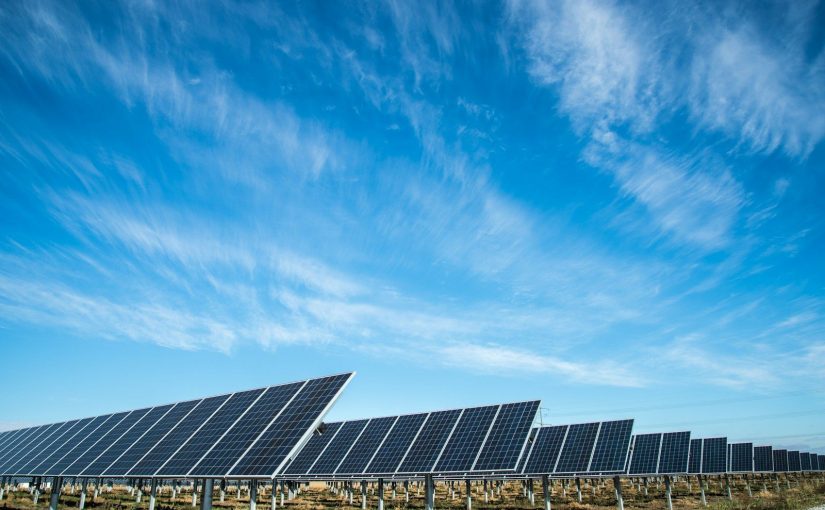
Many companies in Bern are attracted to solar energy for its ability to lower utility bills, protect against unpredictable energy prices, and enhance their reputation for sustainability. Despite these clear advantages, most commercial solar projects in Bern fall short of expectations. Often, the issue is not with the solar panels themselves, but with the planning, design, financial setup, maintenance, and the overall strategy that supports the system.
If you’re responsible for a company, facility, or making key decisions in Bern, the upside is that avoiding common mistakes is within reach. By learning from where others have failed, you can set up a solar system that is reliable, efficient, and gives a worthwhile return over time. For those seeking a starting point tailored to the region, have a look at this helpful resource: Solarenergie-Firma aus Bern.
Why Solar Energy Is Often Not Fully Utilized
Many assume solar installations are a “set it and forget it” solution. Successful commercial solar projects require careful matching to the specific building, energy requirements, roof type, and the goals of the business. Frequently, businesses are lured by the promise of fast savings, only to discover that shortcuts in planning, unsuitable designs, or minimal maintenance cost them real results.
Some of the top reasons solar projects underperform include:
- Installing panels where sunlight is limited
- Not understanding how and when electricity is used on-site
- Getting the size of the system wrong
- Issues caused by shading or awkward roof layouts
- Lacking quality monitoring and upkeep
- Overlooking options like battery storage or automated controls
- Picking financing that limits long-term benefits
It is usually the early mistakes, made before panels go up, that have the greatest impact.
Mistake 1: Seeing Solar as a One-Time Purchase Instead of an Ongoing Strategy
A major reason many solar projects do not live up to expectations is because companies buy solar equipment rather than creating an energy strategy. To get the most value, solar needs to fit the daily operations and needs of the business.
For instance, a company that runs mostly during daylight can directly use more solar energy compared to one that operates mostly at night. Different types of businesses – such as warehouses, offices, retail stores, or factories – have unique energy patterns. Without understanding these differences, your system may generate green power that isn’t fully used.
How You Can Avoid This Problem
Begin with a comprehensive energy check-up for your site. Review how much energy your business uses hour-by-hour, look at seasonal usage trends, and consider any possible growth. Your goal should be to match your solar system’s output to actual on-site need – not just to “go solar” for its own sake.
Mistake 2: Designing a System That Is the Wrong Size
Some companies install as many panels as can fit on the roof, thinking bigger is better, while others don’t take full advantage of their potential space. Both mistakes can limit your benefits.
The right system size should account for:
- Existing electricity usage
- Future changes or expansion
- Physical roof or ground space
- Opportunities for maximizing self-use
- How much energy you’re allowed to send back to the grid
- Your budget and how quickly you want a return
Sizing up or down incorrectly could lock up extra funds unnecessarily, create wasted energy, or stunt your solar returns.
Steps to Avoid Issues
Work with an experienced solar expert who can analyze and model your energy use alongside possible system designs. The aim is a solution that finds the sweet spot between what you use, what you produce, and what makes sense financially.
Mistake 3: Not Checking Roof Conditions or Shading Properly
A roof that looks perfect in the afternoon might be a poor spot for solar panels. Details like the roof’s angle, strength, nearby trees, chimneys, vents, or neighboring structures can all cut into your system’s effectiveness.
Partial shading – even for just a slice of your panels – can significantly reduce energy output. Flat roofs, common in commercial settings, need careful design to avoid shadowing and to optimize the panel tilt.
How to Plan for This
Plan a detailed site inspection beforehand, covering:
- The strength and condition of the roof
- Any present or possible shading
- Which direction and at what tilt panels will be installed
- The lifespan of the current roof versus when a replacement or repairs are due
If your roof needs repairs soon, address these before installing panels to avoid the hassle and cost of taking them down later.
Mistake 4: Overlooking Batteries and On-Site Energy Use
Solar panels only generate electricity when the sun is out, which may not line up with your highest energy needs. This mismatch is a main reason companies miss out on bigger savings. If you end up exporting lots of surplus energy at a low price but have to buy electricity during peak hours at a higher price, your cost savings shrink.
Battery storage helps balance this, letting you store excess solar power for use later, providing backup during outages, and keeping your business running at critical times.
How to Get This Right
Honestly assess if battery storage fits your business. Operations that need a lot of power after sunset, require backup during blackouts, or face high daytime rates could gain a lot from combining solar with batteries. This step also helps businesses take more control over their energy and protect against grid issues.
Mistake 5: Forgetting Monitoring and Maintenance
It’s true that solar systems are much lower maintenance than many other options – but not maintenance-free. Issues like dirt, dust, blown fuses, equipment faults, or faulty wiring can quietly reduce your system’s effectiveness over time.
If you aren’t monitoring your system, you could be losing out for months before anyone notices.
What to Do Instead
Set up live monitoring so you can keep track of system performance every day. Use alerts for any sudden output drops, equipment problems, or data gaps. Arrange regular cleaning and basic inspections. Fixing small issues right away costs less in the long run than fixing big ones later.
Mistake 6: Overlooking the Importance of Financing
Two identical solar systems could provide dramatically different returns based only on how they’re financed. Too often, businesses focus only on the price they see up front instead of long-term costs, interest, maintenance, tax benefits, or assumptions about future energy prices.
A project that seems inexpensive at first can turn out costly if the financial arrangements are poor.
Tips for Smarter Decisions
Look at a few payment or leasing options. Compare direct purchases, lease, or power purchase agreements, and study:
- Total long-term ownership costs
- How quickly you’ll break even
- What your returns look like each year
- Maintenance and repair costs
- Who owns the system at the end
Price is only one factor – the real value is found over the life of the project.
Mistake 7: Forgetting About Local Rules and Utility Limits
A solar project’s success isn’t just about hardware and installation. Approval processes, grid connections, permits, and local policy all matter. Unexpected bottlenecks and limits from the local energy company can delay projects and reduce profits.
Many companies do not factor in grid approval or local requirements until they are already deep into the planning process.
How to Stay on Track
Collaborate with a partner who knows the ins and outs of Bern’s application and approval systems. Confirm all documentation and grid requirements early to avoid delays or last-minute changes to your project plans.
Mistake 8: Overlooking the People Behind the Project
Even the best solar system needs someone behind the scenes who understands it. Sometimes businesses install solar but do not assign a specific person or team to track and manage the system. This can lead to ignored alerts, missed issues, and limits on how strategically the energy is used.
Easy Fixes
Assign a clear project owner or point person for solar at your company. Make sure your managers and staff are familiar with how the system works, can spot warning signs of issues, know when to arrange maintenance, and understand how the solar fits into your wider energy plans.
What Top-Performing Bern Businesses Do Differently
Those companies in Bern getting the best results from their solar systems share several habits:
- They collect and use detailed data, not just guesses
- Their system is sized to their real energy needs
- They thoroughly check their roof and site beforehand
- Storage and on-site use are considered from the start
- System performance is always monitored
- They choose partners with a track record in commercial solar solutions
- Solar is seen as a key part of the broader energy strategy, not a side project
These businesses view solar not just as buying panels, but as building a system that works for them in the long run.
A smart, well-planned solar setup needs more than a quick installation. Take time to review your site, think about your energy needs, and build a system that supports your long-term business goals. With careful planning and the right support, solar could be one of the smartest investments you make for your company.